
 Pin It
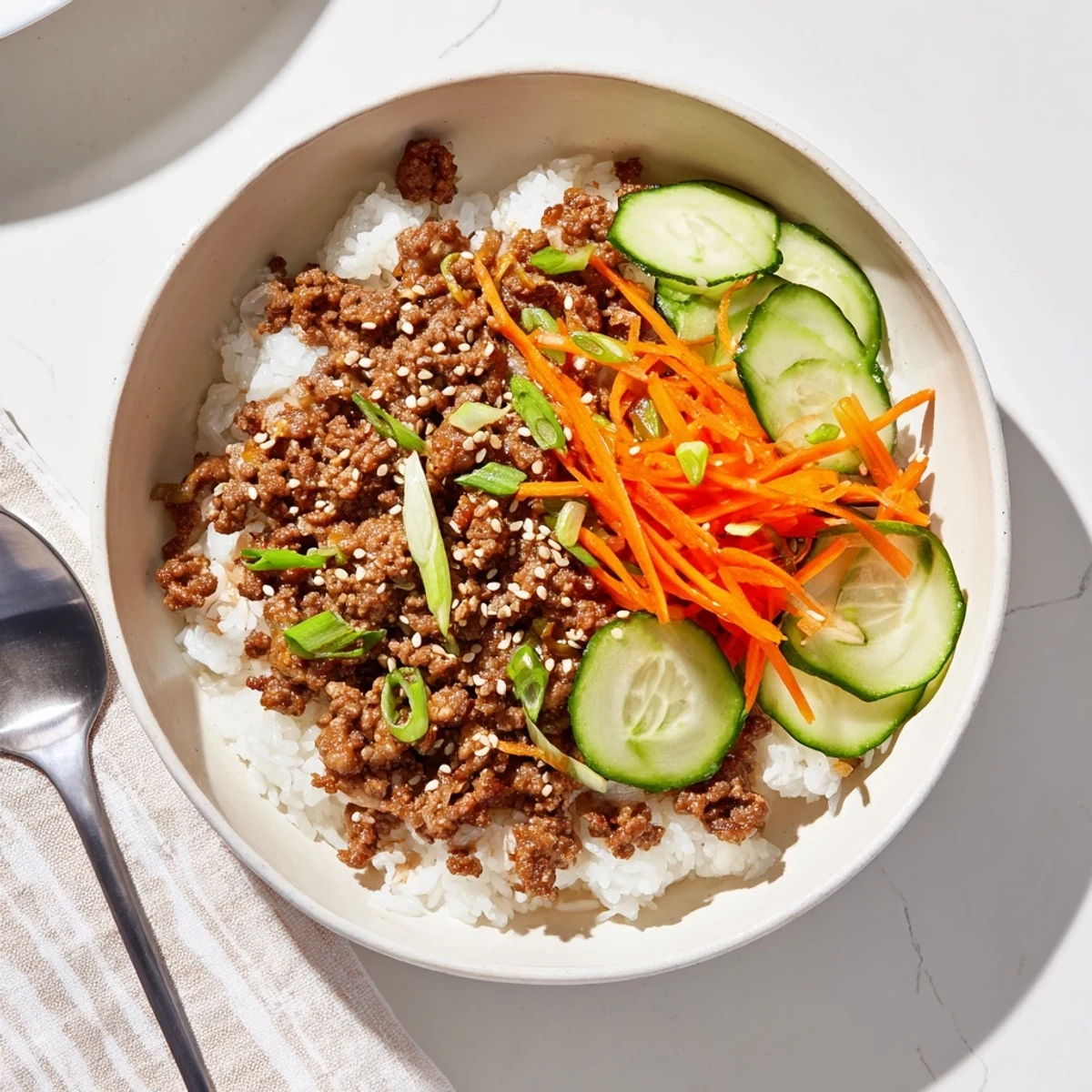
 These Korean-inspired bowls feature seasoned ground beef cooked in a tangy-sweet sauce with garlic, ginger, and gochujang. Served over fluffy jasmine rice with crisp carrots, cucumber, and scallions, this dish comes together in just 25 minutes for a satisfying weeknight meal. The sauce balances savory soy sauce with brown sugar and sesame oil, while optional kimchi adds authentic Korean flair.
The steam rising from a hot bowl of spicy beef over rice is one of those simple pleasures that makes any Tuesday feel special. I first threw together these Korean beef bowls during a particularly chaotic week when takeout was tempting but my wallet disagreed. The combination of sweet, salty, and spicy hit so perfectly that it immediately entered my regular rotation. Now the smell of sesame oil and garlic hitting a hot skillet brings back cozy kitchen memories.
My roommate walked in last night just as the gochujang sauce was caramelizing against the beef and literally stopped mid sentence. The kitchen smelled so incredible she abandoned her plans for a salad and grabbed a fork instead. We ended up eating standing up at the counter because waiting for plates felt like asking too much.
Ingredients
- 500 g lean ground beef: Ground beef cooks quickly and absorbs all that gorgeous sauce while still maintaining a satisfying crumble that clings perfectly to rice
- 60 ml low-sodium soy sauce: Low-sodium lets you control the salt level while still getting that deep umami foundation that makes Korean flavors sing
- 2 tbsp light brown sugar: Brown sugar melts into the sauce creating those caramelized notes that balance the soy and heat so beautifully
- 1 tbsp sesame oil: This aromatic oil is non-negotiable for authentic Korean flavor and just a tiny amount transforms the entire dish
- 4 garlic cloves, minced: Fresh garlic provides the sharp aromatic base that defines this cuisine
- 1 tbsp freshly grated ginger: Grated ginger adds warm zesty notes that cut through the rich beef
- 1 tbsp gochujang: Korean chili paste brings subtle heat and complex fermented flavor but red pepper flakes work in a pinch
- 2 tsp rice vinegar: Rice vinegar adds brightness and helps cut through the richness
- 300 g jasmine rice: Jasmine rice has a beautiful floral aroma that complements the bold Korean flavors perfectly
- 2 medium carrots: Julienned carrots provide essential crunch and refreshing sweetness against the spicy beef
- 1 small cucumber: Thin cucumber slices cool everything down and add crisp texture
- 4 scallions: Scallions add fresh onion flavor and a pop of green color
- 2 tbsp toasted sesame seeds: Toasted seeds bring nutty crunch and restaurant-worthy presentation
Instructions
- Cook the rice:
- Rinse the rice under cold water until the water runs clear then combine with 480 ml water in a saucepan and bring to a boil
- Simmer the rice:
- Reduce heat to low cover tightly and simmer for 12 to 15 minutes until the water is absorbed then fluff gently with a fork
- Whisk the sauce:
- In a small bowl combine soy sauce brown sugar sesame oil garlic ginger gochujang and rice vinegar until the sugar dissolves completely
- Brown the beef:
- Heat a large skillet over medium-high heat add the ground beef and cook for about 5 minutes while breaking it up with a spatula until browned
- Combine and coat:
- Pour the sauce over the beef and stir for 2 to 3 minutes until every piece is glossy and coated in that thickened caramelized sauce
- Build your bowls:
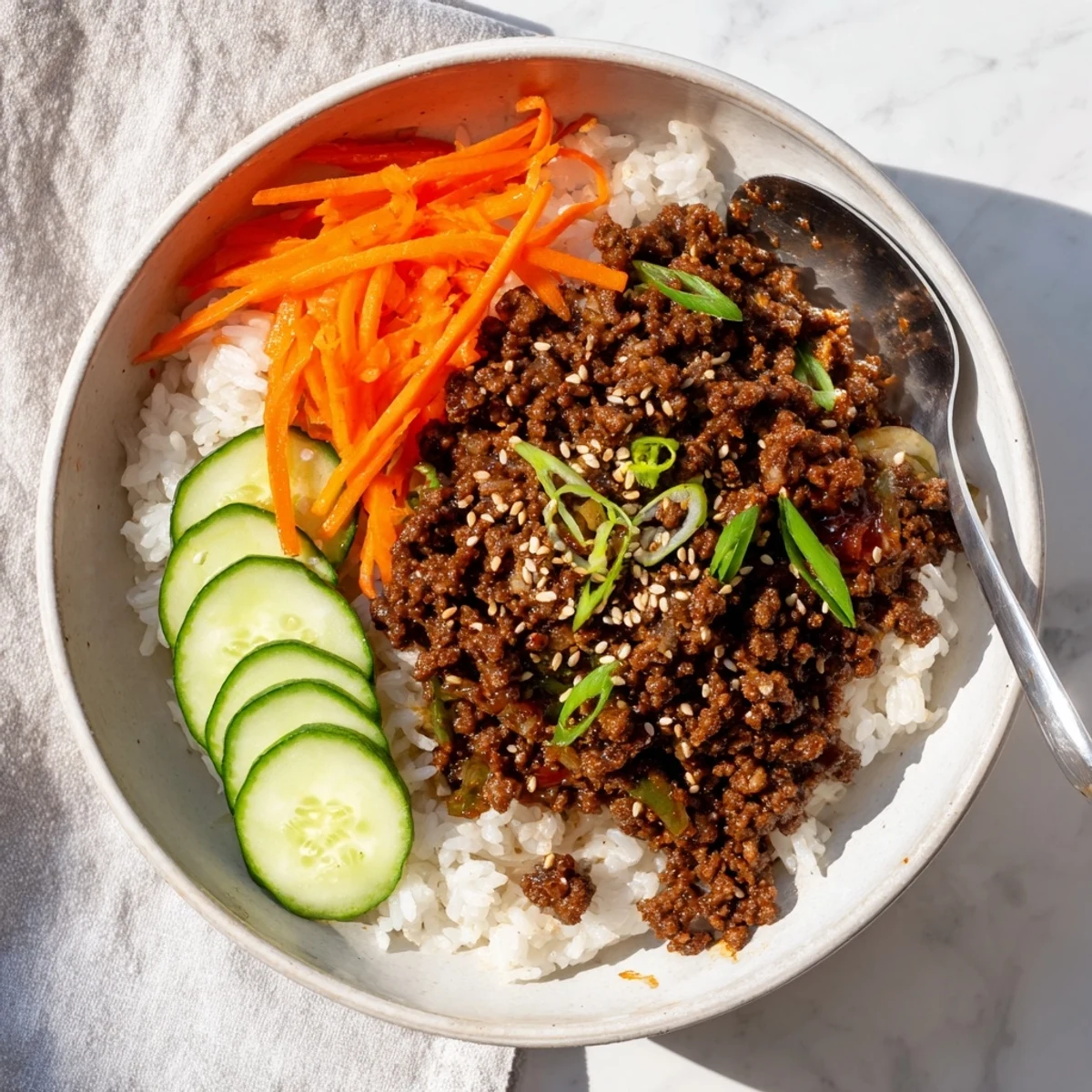
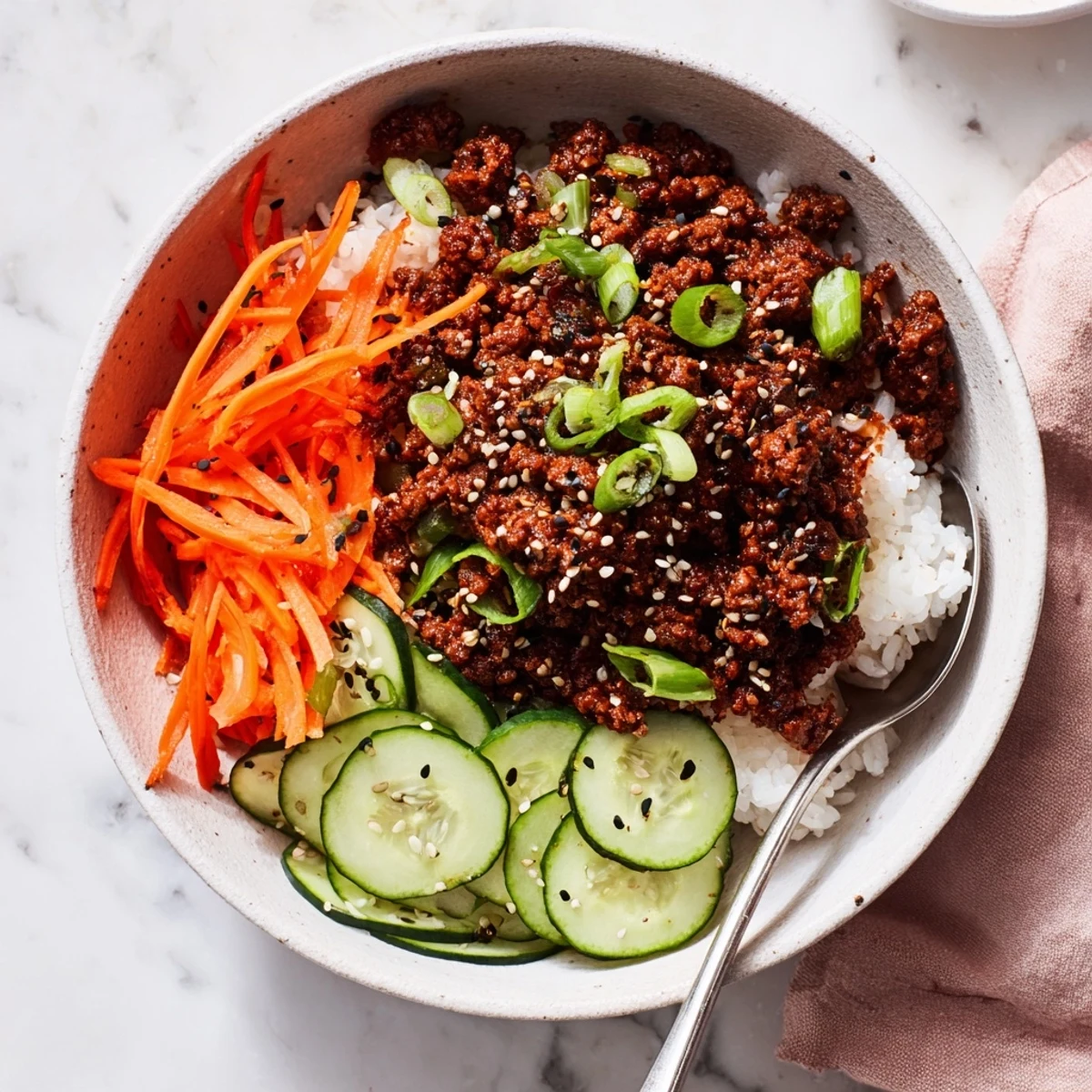
- Divide the fluffy rice among four bowls then top generously with the saucy beef and arrange carrots cucumber scallions sesame seeds and any optional toppings in sections
 Pin It
 Last summer I made these for a impromptu dinner party and my friend asked for the recipe before she even finished her first bite. The bowls looked so beautiful with all the colorful vegetables arranged in sections that everyone took pictures before diving in. Something about serving components separately makes even a quick weeknight dinner feel like you put real thought into it.
Making It Your Own
I started making these bowls when I discovered gochujang at an Asian market and could not stop finding ways to use it. The beauty of this recipe is how easily it adapts to whatever you have on hand or prefer eating.
Perfect Pairings
A cold glass of Riesling cuts through the spice beautifully but a steaming mug of green tea feels more authentic to the cuisine. Either way you want something refreshing to balance all those bold Korean flavors.
Storage and Prep
The beef mixture actually tastes even better the next day as the flavors continue to develop and meld together. I sometimes double the recipe and portion it into meal prep containers for easy lunches throughout the week.
- Store the beef and rice separately to prevent the rice from becoming soggy
- Reheat with a splash of water to refresh the sauce
- Keep fresh toppings separate and add just before serving
 Pin It
 There is something deeply satisfying about a bowl that looks this impressive but comes together this quickly. Hope these Korean beef bowls bring as many cozy moments to your table as they have to mine.
Recipe FAQs
- → Can I make this gluten-free?
-
Yes, simply substitute tamari for the soy sauce and check that your gochujang is certified gluten-free. The rest of the ingredients are naturally gluten-free.
- → What protein alternatives work well?
-
Ground turkey, chicken, or crumbled tofu all make excellent lighter substitutions. Adjust cooking time slightly for poultry to ensure it's fully cooked through.
- → How spicy are these bowls?
-
The spice level is mild to medium with 1 tablespoon of gochujang. Reduce to 1 teaspoon or omit entirely for a milder version, or increase to 2 tablespoons for more heat.
- → Can I prep components ahead?
-
Absolutely. The sauce can be mixed and stored in the refrigerator for up to a week. Vegetables can be sliced a day in advance. Cook rice fresh or reheat previously cooked rice.
- → What other toppings work?
-
Fresh cilantro, pickled radishes, sliced jalapeños, fried eggs, or avocado all complement the flavors. Edamame or blanched broccoli can add more vegetables to the bowl.