
 Pin It
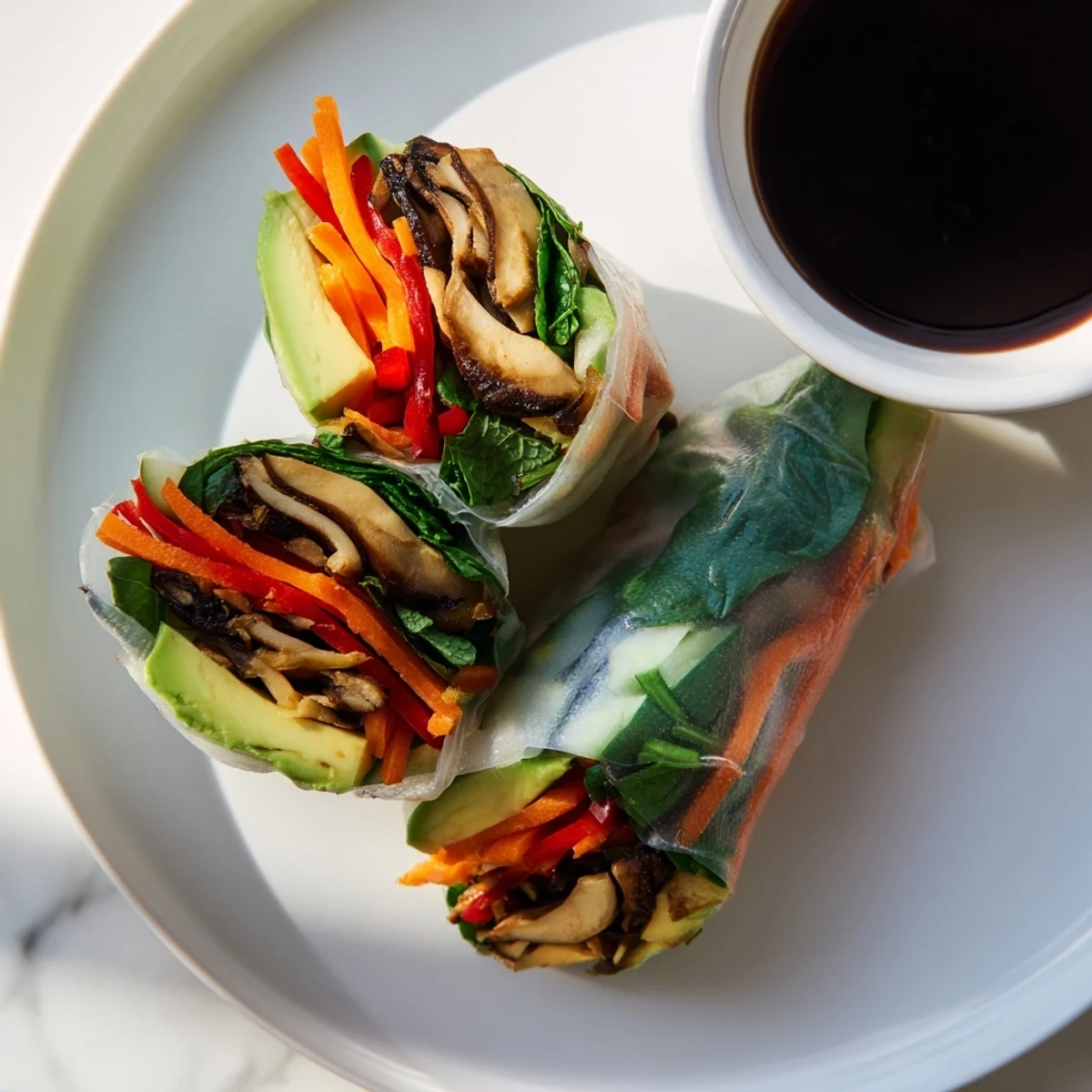
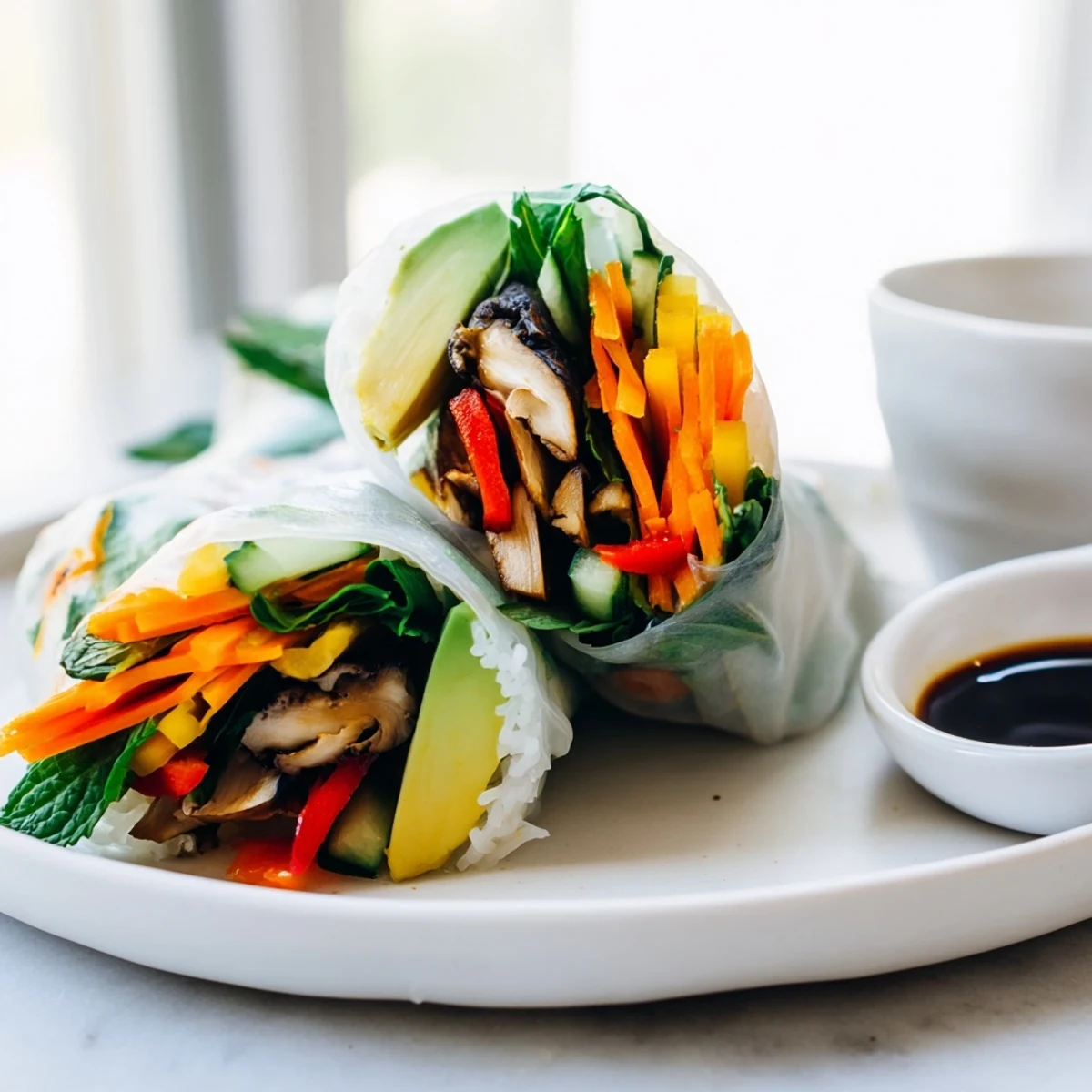
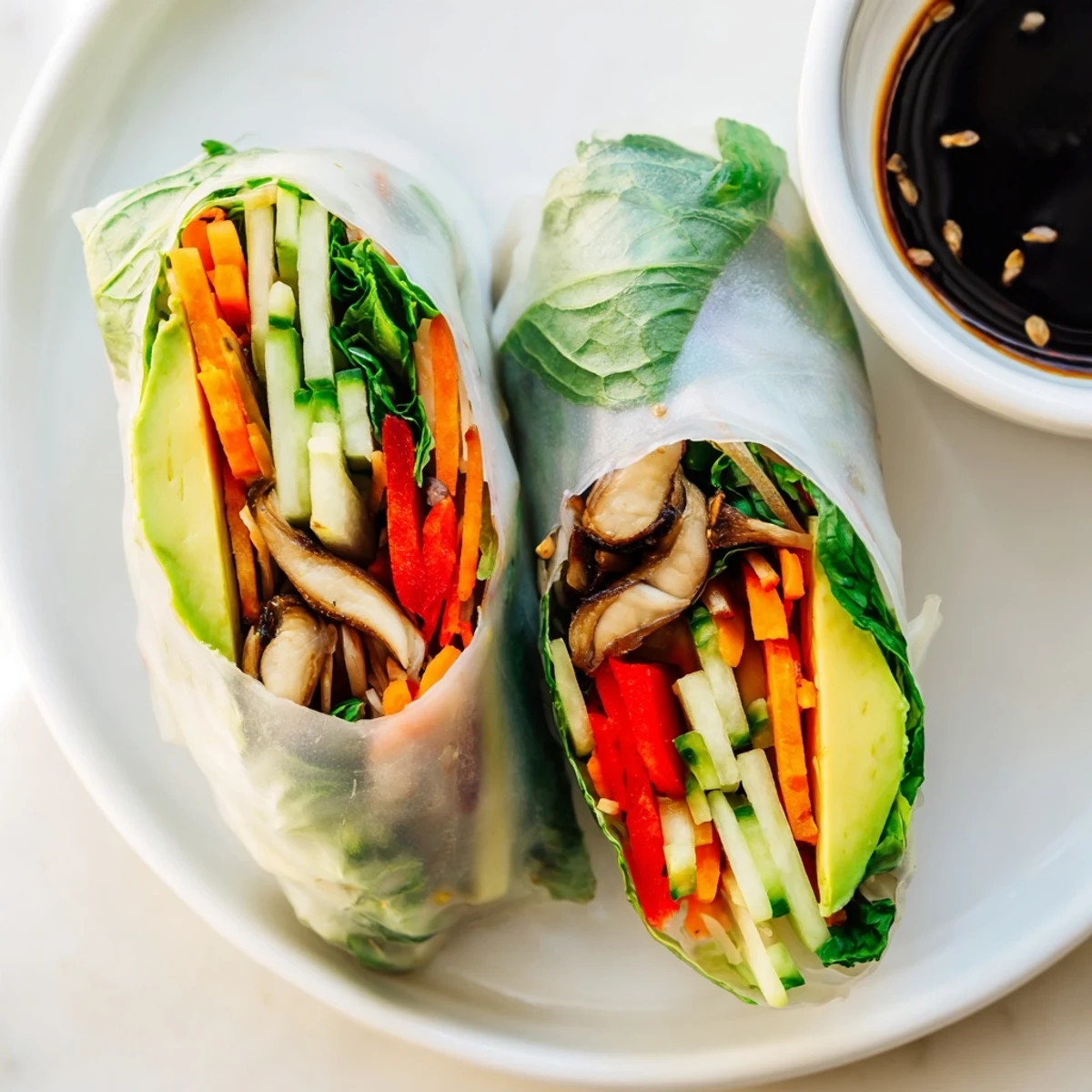
 These vibrant spring rolls combine creamy avocado slices with tender sautéed shiitake mushrooms and julienned vegetables, all wrapped in delicate rice paper. The result is a refreshing, light appetizer that's perfect for warm weather entertaining or healthy snacking.
Preparation involves quickly sautéing the mushrooms until tender, then rolling them with fresh vegetables and herbs. The process is simple and meditative—dipping each rice paper sheet in warm water, layering ingredients, and folding tightly into neat rolls.
A tangy dipping sauce balances the rich avocado and earthy mushrooms with bright notes of rice vinegar, fresh ginger, and sesame oil. Serve whole or sliced in half for easy eating.
The first time I attempted fresh spring rolls, I made the classic mistake of soaking the rice paper until it was practically disintegrating. They tore, they stuck to everything, and my kitchen looked like a disaster zone. But after some trial and error, I learned that barely ten seconds in warm water is all you need. These avocado shiitake rolls became my go-to summer dinner when cooking feels like too much effort.
Last summer my neighbor came over for what was supposed to be a quick catch-up over drinks, and I ended up making these while we talked. She was so fascinated watching me roll them that she jumped in to help, and we stood at the counter assembling spring rolls and laughing at our messy attempts. We ate them straight off the cutting board with sauce dripping everywhere, and it was honestly one of my favorite evenings of the whole season.
Ingredients
- 8 sheets rice paper: The 22 cm size is perfect. These dry wrappers turn translucent and pliable with just a quick dip in warm water, and they have the most satisfying chewy texture once rolled.
- 1 ripe avocado: Sliced into thin strips. The creaminess balances the crunch and becomes the luxurious element that makes each roll feel special.
- 120 g fresh shiitake mushrooms: Remove the stems and slice before sautéing. Their earthy umami flavor deepens beautifully with just a few minutes in a hot pan.
- 1 medium carrot: Julienned into thin matchsticks. I use a julienne peeler for this because it makes quick work of what would otherwise be tedious knife work.
- 1 small cucumber: Also julienned and I leave the skin on for that pop of green color. English cucumbers work best because they have fewer seeds.
- 1 small red bell pepper: Thinly sliced. The sweetness here plays so nicely against the savory mushrooms and the slight tang from the dipping sauce.
- 1 cup fresh baby spinach or lettuce: This becomes the base layer in each roll, adding structure and making the rolls feel substantial rather than just being vegetables.
- 2 tbsp scallions: Finely sliced on a sharp diagonal. Their mild onion bite cuts through the richness of the avocado.
- 2 tbsp fresh cilantro and 2 tbsp fresh mint: I tear the larger leaves but keep smaller ones whole. The mint is not optional here.
- 2 tbsp soy sauce or tamari: Tamari keeps things gluten-free if that matters to you, otherwise regular soy sauce works perfectly.
- 1 tbsp rice vinegar: Just enough acidity to brighten everything without overpowering the delicate flavors.
- 1 tsp sesame oil: This is the aromatic backbone of the whole dipping sauce.
- 1 tsp maple syrup or honey: A tiny bit of sweetness balances the salty soy sauce and the sharp vinegar.
- 1 tsp grated ginger and 1 small garlic clove: Freshly grated and minced. Do not try to substitute dried versions here.
Instructions
- Sauté the shiitake mushrooms:
- Heat a non-stick skillet over medium heat and add those sliced mushrooms. Let them cook undisturbed for a minute or two before stirring, about 5 to 6 minutes total, until they are tender and have released some of their moisture. Set them aside to cool completely because warm mushrooms will make your rice paper soggy and tear.
- Prep your vegetables and arrange your station:
- Slice the avocado into thin strips, julienne the carrot and cucumber, thinly slice the bell pepper, and chop those scallions on a sharp diagonal. Lay everything out on a large board or platter in separate little piles. You want to be able to grab what you need with one hand while rolling with the other, so clear yourself some workspace.
- Soften the rice paper:
- Fill a shallow dish with warm water. Dip one rice paper sheet for just 10 to 15 seconds, swirling it gently until it softens but still feels slightly firm. Immediately lay it flat on a clean kitchen towel or cutting board. If it feels too stiff, give it another quick dip, but remember it will continue to soften as you work.
- Layer your fillings:
- Start with a small handful of spinach or lettuce in the center of the wrapper, leaving about two inches of space on each side. Add a few slices of avocado, some sautéed shiitakes, a few carrot sticks, cucumber slices, bell pepper, scallions, and a sprinkle of fresh herbs. Do not overstuff or you will never get that tight roll.
- Roll like a burrito:
- Fold the bottom of the rice paper up over the filling, then fold in both sides like you are enclosing a package. Roll it forward tightly but gently, keeping the filling snug as you go. The rice paper will stick to itself and seal closed. Repeat with the remaining ingredients until you have 8 beautiful rolls.
- Whisk together the dipping sauce:
- Combine the soy sauce, rice vinegar, sesame oil, maple syrup, grated ginger, and minced garlic in a small bowl. Whisk until the maple syrup has fully dissolved and everything is emulsified. Add water one tablespoon at a time if it is too thick for your liking.
- Serve and enjoy:
- These are best eaten immediately, either whole or sliced in half on the diagonal for easier dipping. Serve with the sauce alongside, and maybe some extra herbs scattered over the top for prettiness.
 Pin It
 I brought these to a potluck once and watched two different people ask for the recipe before they had even finished their first roll. Something about the combination of cool crisp vegetables with warm earthy mushrooms just works so perfectly together. Now they are my go-to when I need to bring something that looks impressive but actually took me twenty minutes to assemble.
Making These Your Own
The beauty of fresh spring rolls is that they are infinitely adaptable based on what you have in your refrigerator. I have made these with thinly sliced cabbage, snap peas, even radishes when they were in season. The key is keeping a balance of textures and colors.
Adding Protein
Sometimes I add marinated baked tofu strips or even cooked shrimp when I want these to feel more like a complete meal. Grilled chicken works beautifully too, just be sure whatever protein you add is sliced thin and completely cooled before rolling.
Perfecting Your Rolling Technique
The first few rolls might look a little messy, and that is completely normal. I find it helps to fold the sides in before I do the final roll forward, which keeps everything securely tucked inside. With a little practice you will develop your own rhythm.
- Keep a clean damp kitchen towel nearby to wipe your hands between rolls
- If a wrapper tears, just layer another small piece of rice paper over the spot and keep going
- Slice the rolls with a very sharp knife and use a gentle sawing motion to avoid squishing them
 Pin It
 These have become one of those recipes I make on repeat, especially when fresh herbs are overflowing in my garden. There is something so satisfying about eating something this vibrant and fresh.
Recipe FAQs
- → How do I prevent rice paper from tearing?
-
Soak each sheet briefly for 10-15 seconds until just pliable—not until completely soft. Lay it flat on a damp towel while working. Over-soaking makes rice paper too fragile to handle.
- → Can I make these ahead of time?
-
Best enjoyed immediately for optimal texture. If preparing ahead, roll them up to 2 hours in advance and store tightly covered with a damp towel in the refrigerator to prevent drying out.
- → What vegetables work best in these rolls?
-
Julienned carrots, cucumber, bell pepper, and fresh greens like spinach or lettuce provide ideal crunch and color. You can also add bean sprouts, shredded cabbage, or snap peas.
- → How do I store leftovers?
-
Wrap individual rolls tightly in plastic wrap or place in an airtight container with a damp paper towel. Refrigerate for up to 24 hours, though the rice paper may become slightly chewy over time.
- → Can I make these gluten-free?
-
Naturally gluten-free when using tamari instead of soy sauce. Always verify your rice paper is certified gluten-free, as some brands may include wheat in their ingredients.