
 Pin It
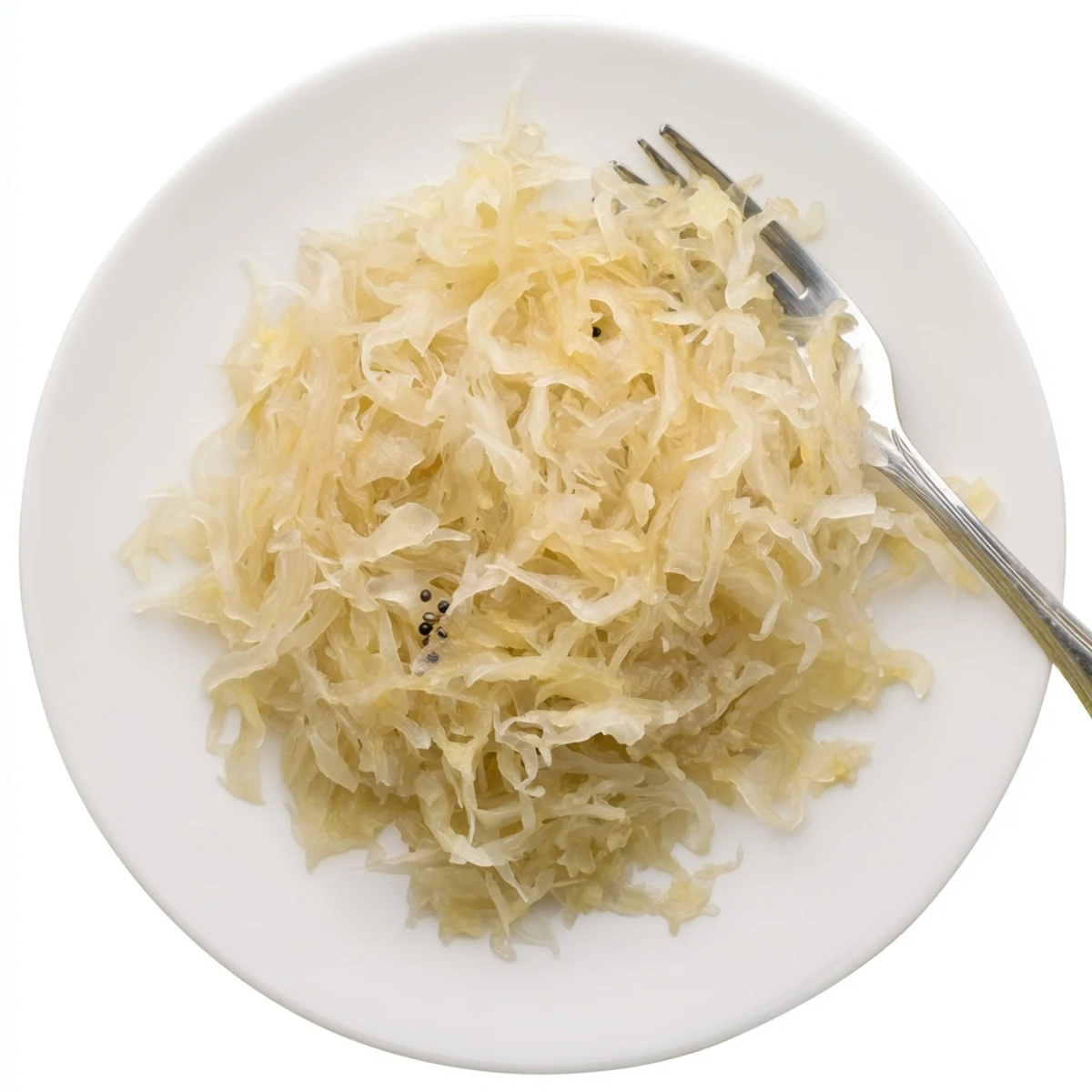
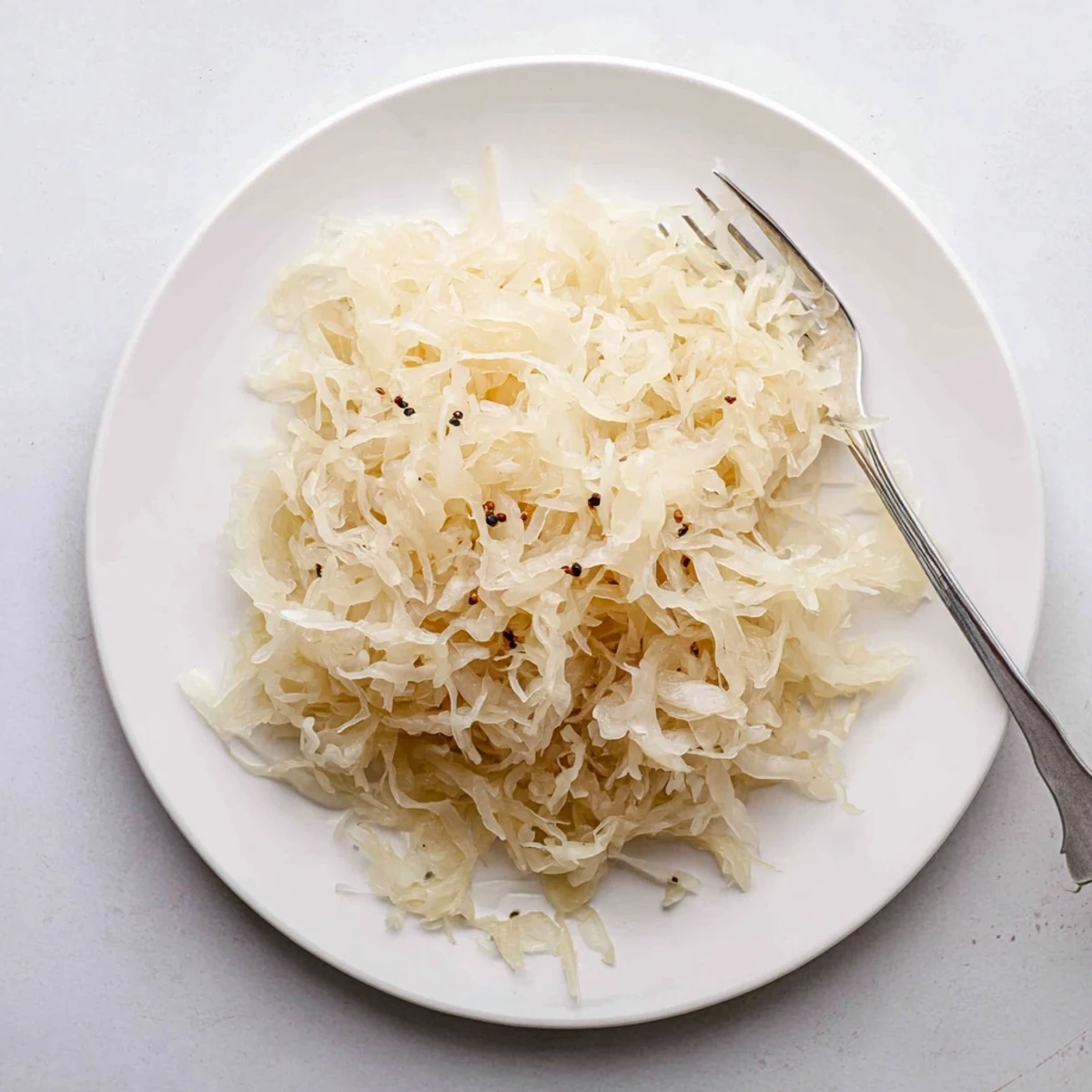
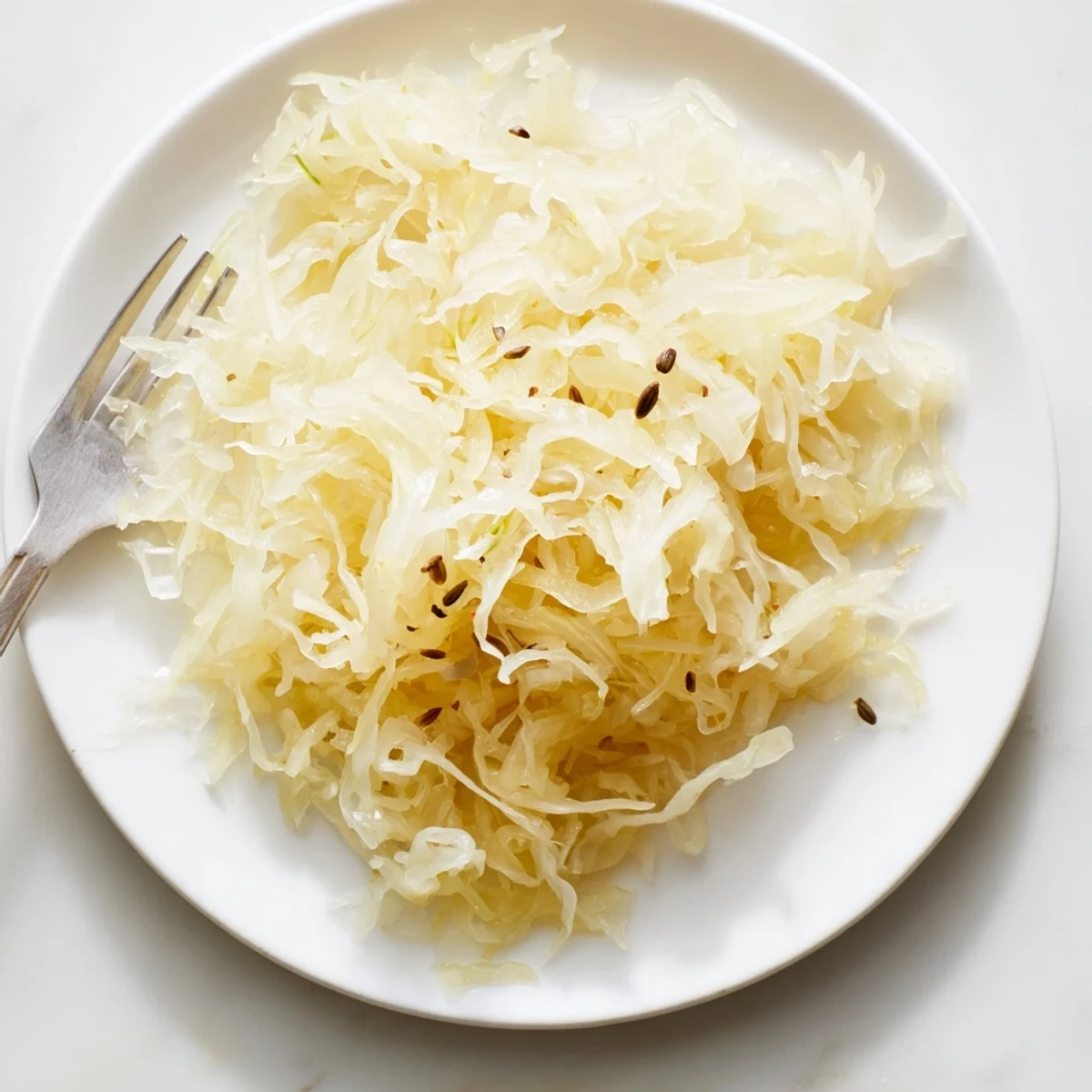
 Create authentic German sauerkraut using the traditional method of lacto-fermentation. This process transforms humble cabbage into a tangy, probiotic-rich condiment through natural aging. The technique involves massaging salt into shredded cabbage to release its juices, then letting time and beneficial bacteria work their magic over 1-3 weeks. The result is a versatile side dish that pairs perfectly with sausages, pork, and roasted potatoes while supporting gut health naturally.
The smell hit me before I even understood what was happening, a sharp, electric tang creeping from my grandmother's cellar up through the floorboards every autumn. She kept enormous ceramic crocks lined up like sentinels, each one burping and bubbling with its own quiet urgency. I thought she was performing some kind of alchemy, turning ordinary cabbage into something that tasted like time itself. Thirty years later, my hands still smell like salt and cabbage juice every fall, and I would not have it any other way.
My friend Martin watched me massaging a mountain of shredded cabbage at a dinner party once and laughed, asking why I was giving my salad a back rub. By the time that batch was ready two weeks later, he was spooning it onto everything from his morning eggs to his evening sandwiches, texting me photos of nearly empty jars.
Ingredients
- 2 kg white cabbage: Choose dense, heavy heads with crisp outer leaves, as fresher cabbage releases more juice during massaging.
- 30 g fine sea salt: This ratio matters enormously, roughly 1.5 percent by weight, enough to guard against harmful bacteria while letting the good lactobacillus thrive.
- 1 tablespoon caraway seeds (optional): These add a warm, earthy perfume that many German families consider nonnegotiable.
- 1 grated carrot or thinly sliced apple (optional): A whisper of sweetness that balances the assertive sourness beautifully.
Instructions
- Prep the cabbage:
- Peel away any limp or damaged outer leaves, cut the head into quarters, carve out the tough core, and slice the quarters into ribbons as thin and consistent as your patience allows.
- Salt and squeeze:
- Toss the shredded cabbage with salt in a large bowl, then work it with your hands for five to ten minutes, pressing and folding until the cabbage wilts and pools of brine collect at the bottom.
- Add extras if you like:
- Scatter in caraway seeds, grated carrot, or sliced apple now, mixing thoroughly so everything is evenly distributed through the mass.
- Pack it tight:
- Transfer the cabbage and every drop of its liquid into a sterilized crock or large jar, pressing down firmly with your fists until the brine rises above the cabbage level.
- Weigh it down:
- Place a fermentation weight or a clean smaller jar filled with water directly on top to keep every shred submerged beneath the brine.
- Cover and wait:
- Drape a cloth over the opening or attach a fermentation lid, then set the vessel in a cool spot between 18 and 22 degrees, away from sunlight, for seven to twenty one days.
- Taste and finish:
- Start tasting after one week, and once the tang reaches a level that makes your mouth water with satisfaction, move it to the refrigerator to halt further fermentation.
 Pin It
 There is something profoundly grounding about preserving food the way people have done for thousands of years, using nothing but salt, time, and trust in invisible organisms doing their work.
Choosing Your Vessel
Glass jars work perfectly well, but a proper stoneware crock with a water moat lid takes the guesswork out of the process by letting carbon dioxide escape while blocking oxygen. I found mine at a flea market for three euros, cracked along one side, and it still produces the best batch I have ever tasted.
Pairing Suggestions
Pile it beside bratwurst and roasted potatoes, fold it into a Reuben sandwich, or simply eat it straight from the jar while standing in front of the open fridge at midnight. A cold glass of German Riesling alongside turns a casual plate into something worthy of a long evening.
Troubleshooting Common Issues
Every batch teaches you something new, and the occasional failure is simply tuition paid to the fermentation gods. White foam or scum on the surface is usually harmless and can be skimmed off, but colorful mold or a truly rotten smell means the batch should be discarded. Trust your nose above all else, it evolved to protect you for exactly this purpose.
- A grayish white film called kahm yeast is generally safe but can alter the flavor.
- If your brine level drops during fermentation, top it up with a mild salt solution.
- Label your jar with the start date so you remember when to begin tasting.
 Pin It
 Every jar of sauerkraut on my shelf is a small declaration that the best things in kitchens still happen when we slow down and let nature do what it has always done best.
Recipe FAQs
- → How long does homemade sauerkraut last?
-
When properly fermented and stored in the refrigerator, homemade sauerkraut can last 4-6 months. The cool temperature slows down fermentation while preserving the beneficial bacteria and tangy flavor.
- → Do I need a special crock to make sauerkraut?
-
A fermentation crock is ideal but not essential. Any large glass jar with a 2-liter capacity works well. You'll need something to weigh down the cabbage and keep it submerged in its brine, such as a smaller jar or fermentation weights.
- → Why is my sauerkraut not getting sour?
-
Sourness develops over time. If your sauerkraut isn't sour enough after 7 days, continue fermenting for up to 21 days. The flavor intensifies with longer fermentation. Ensure the cabbage stays completely submerged under the brine throughout the process.
- → Can I add other vegetables to sauerkraut?
-
Yes! Grated carrots, thinly sliced apples, or spices like caraway seeds, juniper berries, and ginger can be added for variety. However, the traditional version contains only cabbage and salt for the classic flavor profile.
- → How do I know if my sauerkraut has gone bad?
-
Signs of spoilage include mold (fuzzy growth, not white yeast spots), unpleasant rotten odors, or slimy texture. A sour, tangy smell and firm texture are normal. If it smells off or looks moldy, discard it and start fresh.