
 Pin It
 Craft authentic Italian pasta with the distinctive tang of active sourdough starter. This rustic dough combines flour, eggs, and bubbly starter to create noodles with exceptional chew and complex flavor. The resting period develops gluten structure, while the natural fermentation adds depth that complements everything from simple browned butter to rich meat sauces. Perfect for beginners and experienced pasta makers alike.
The rainy Tuesday I finally attempted sourdough pasta, my kitchen counter was covered in a fine dusting of flour, my sourdough starter had been fed that morning, and something about the combination felt right. I had been discarding starter for weeks, feeling guilty about wasting all that fermented potential, when I stumbled across the idea of pasta dough. Three hours later, twirling golden strands coated in brown butter and sage, I understood why people have been making this for generations.
Last month, my sister came over for dinner and watched me roll out the dough, skeptical about how much effort fresh pasta really required. Twenty minutes into her first bite, she was already looking up pasta machines on her phone, planning her own sourdough adventure. Theres something about handmade pasta that turns a Tuesday meal into an occasion, making everyone at the table feel special.
Ingredients
- All-purpose flour: Creates the structure and foundation, though half whole wheat adds character if you want more depth
- Active sourdough starter: Should be bubbly and at peak activity, recently fed, for the best rise and tang
- Large eggs: Room temperature eggs incorporate more evenly into the dough, creating better structure
- Fine sea salt: Enhances flavor without the coarse texture that can create gritty spots in your pasta
- Olive oil: Optional but recommended for extra suppleness, especially helpful if you are new to rolling dough
Instructions
- Mix the foundation:
- Combine flour and salt in a large bowl, creating a deep well in the center like a little crater, then add your starter, eggs, and olive oil into the hollow.
- Bring it together:
- Using a fork, gradually pull flour from the edges into the wet ingredients, working in circles until a shaggy, messy dough begins to form.
- Knead with patience:
- Turn onto a floured surface and knead for 8 to 10 minutes, pushing forward with the heel of your hand, folding back, and turning until the dough transforms from tacky to smooth and elastic.
- Let it rest:
- Wrap tightly in plastic and let it sit at room temperature for an hour, giving the gluten time to relax so the dough will cooperate when you roll it.
- Roll and shape:
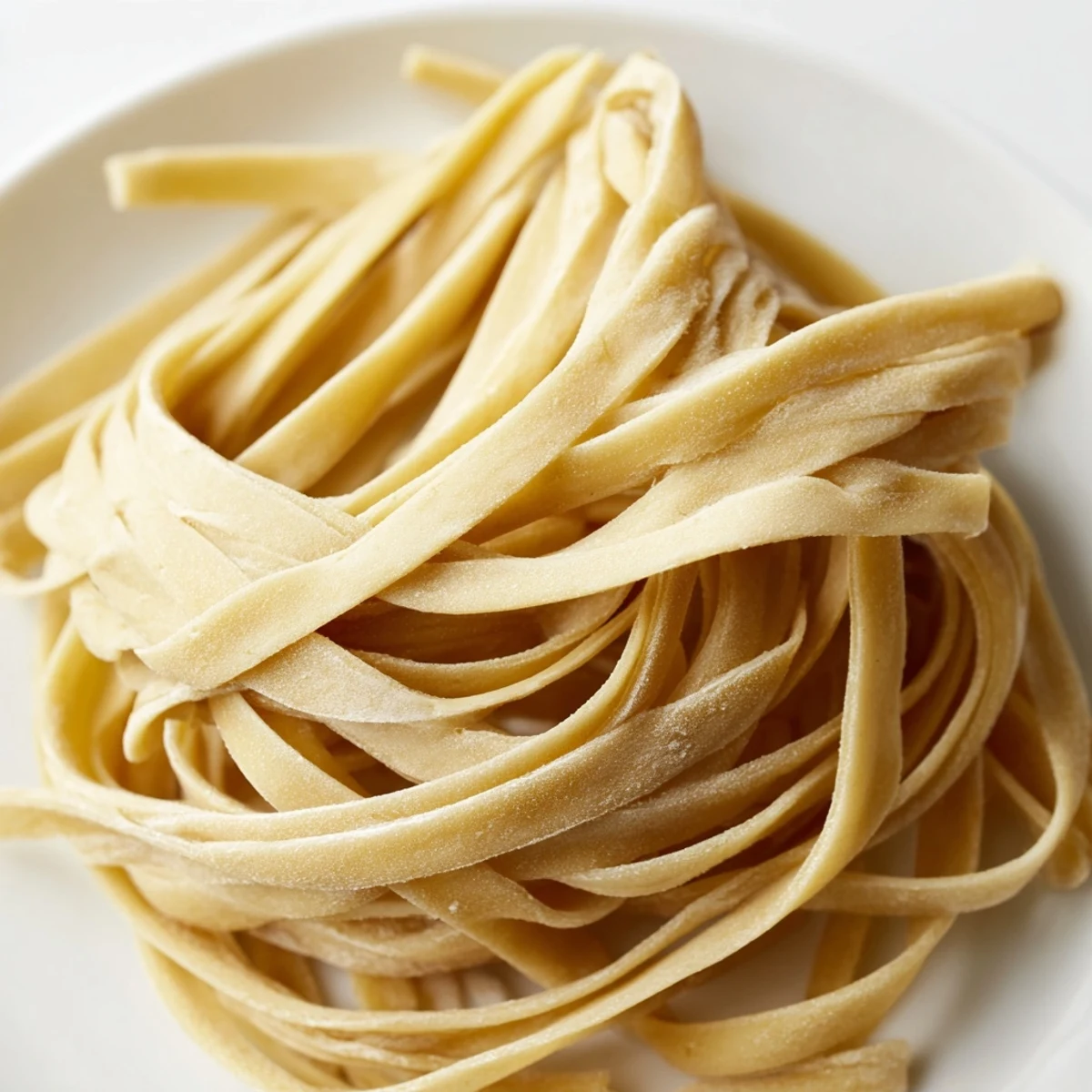
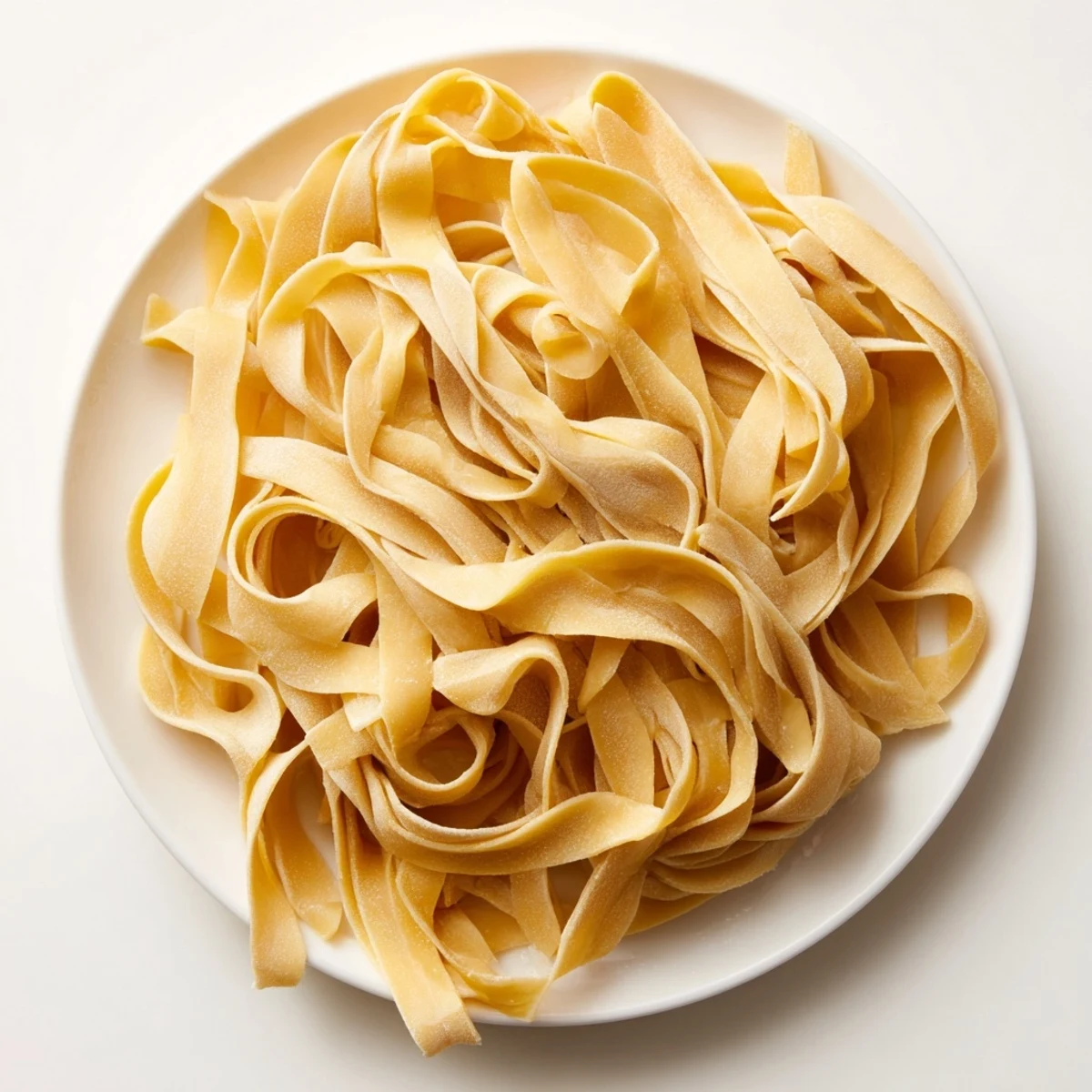
- Divide dough in half, keep one portion covered, and roll the other to your desired thickness using a machine or rolling pin, then cut into fettuccine, tagliatelle, or sheets.
- Cook to perfection:
- Boil salted water and cook fresh pasta for just 2 to 3 minutes until it floats and offers just a slight resistance when you bite into it.
 Pin It
 Something magical happens when you serve handmade pasta, the kind that makes people slow down and really taste what they are eating. My family now requests this dish for birthdays and celebrations, treating it like the special occasion food it deserves to be.
Flavor Variations
Fold finely chopped fresh herbs like rosemary, thyme, or sage directly into the dough for subtle aromatic notes. A pinch of turmeric creates beautiful golden pasta that looks stunning on the plate, while dried tomato powder or spinach add both color and flavor.
Storage Solutions
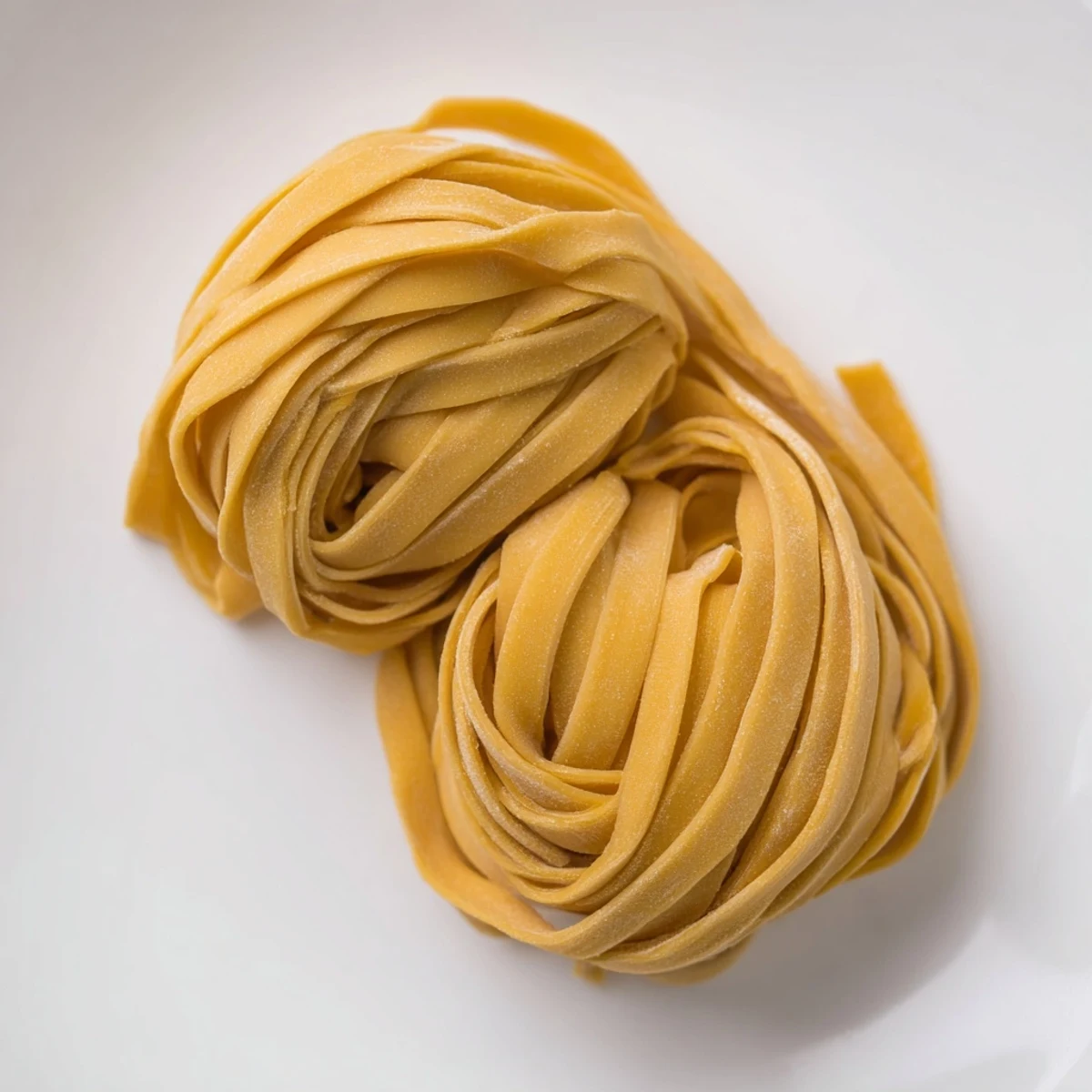
The dough can be made up to 24 hours ahead and refrigerated, but bring it to room temperature before rolling for easier handling. Cut pasta can be dusted with flour, formed into small nests, and frozen on a baking sheet before transferring to bags for up to a month.
Sauce Pairings That Shine
The tang from sourdough creates a perfect balance with rich cream sauces or simple browned butter and sage. Tomato-based sauces complement the slight acidity, while pesto clings beautifully to the textured surface.
- Making the dough ahead actually improves flavor as the sourdough ferments further
- A pasta machine is helpful but a rolling pin works perfectly if you do not have one
- Save some pasta water before draining to help sauces cling to every strand
 Pin It
 There is profound satisfaction in turning simple ingredients into something extraordinary with your own hands. May your kitchen be dusted with flour and filled with the warmth of fresh pasta.
Recipe FAQs
- → What makes sourdough pasta different from regular pasta?
-
The sourdough starter adds natural fermentation, creating a tangy flavor profile and slightly chewier texture. This depth develops over the resting period, resulting in noodles with more complexity than traditional egg pasta.
- → Can I use discard starter instead of active starter?
-
Active, bubbly starter yields the best results as it provides proper gluten development and fermentation. Discard starter may work but will produce less tang and potentially tougher dough.
- → How thin should I roll the dough?
-
Roll to your desired thickness based on the shape. Tagliatelle and fettuccine work well at setting 5-6 on most pasta machines, while lasagna sheets should be slightly thinner at setting 7-8.
- → Why does the dough need to rest for an hour?
-
Resting allows gluten strands to relax after kneading, making the dough more pliable and easier to roll thin without springing back. This also gives the sourdough time to impart flavor.
- → Can I freeze this pasta?
-
Yes, cut the pasta into shapes, dust with flour, and freeze in a single layer before transferring to bags. Cook from frozen, adding 1-2 minutes to the boiling time.
- → What sauces pair best with sourdough pasta?
-
The tangy flavor complements rich, creamy sauces, tomato-based preparations, and simple browned butter with sage. The robust texture also stands up well to meat ragù and pesto.