
 Pin It
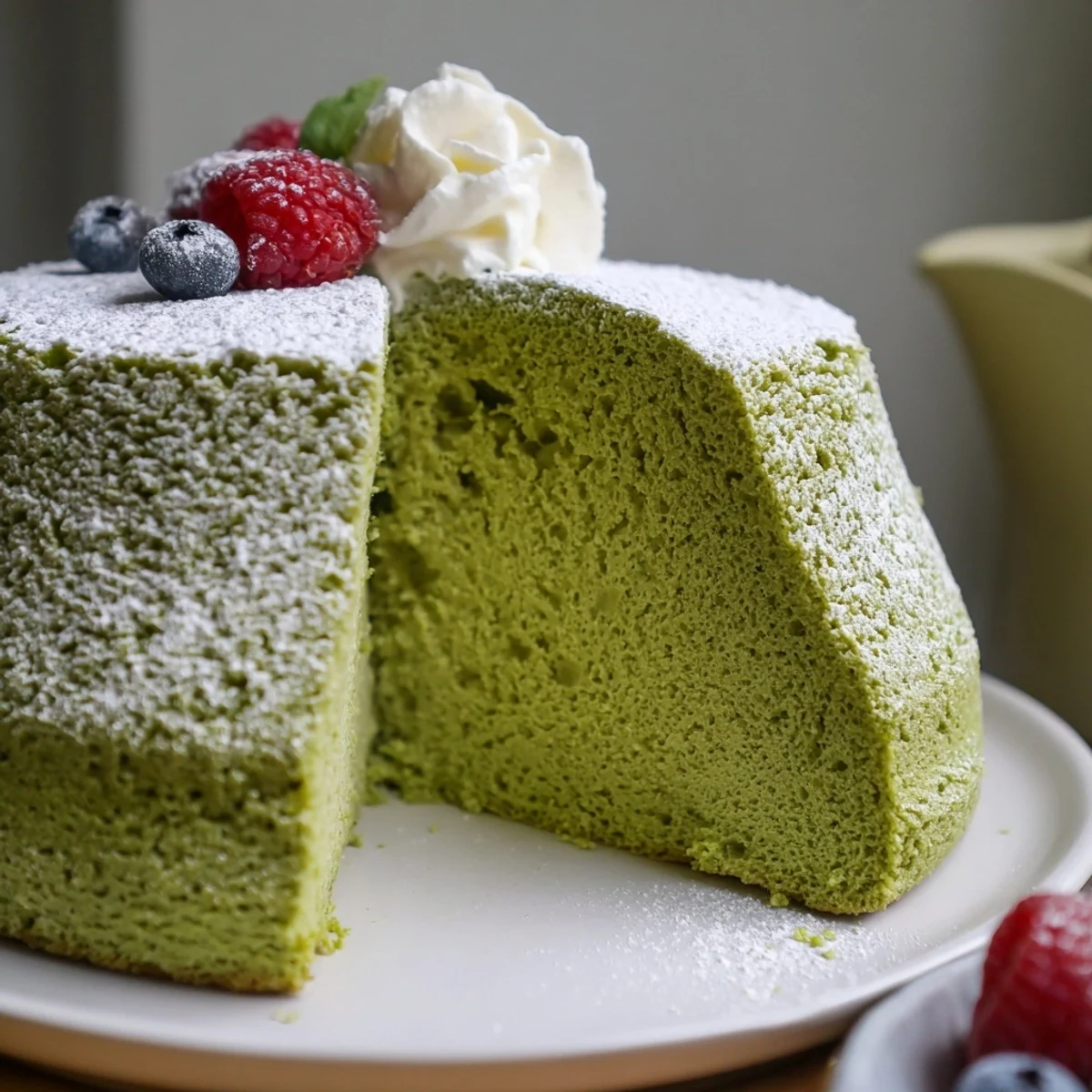
 This Japanese-inspired matcha cake delivers a feather-light sponge with a delicate green tea flavor running through every bite. The batter comes together by creaming eggs and sugar until pale, then folding in sifted flour and premium matcha powder for that signature earthy taste and vivid green color.
Baked at 350°F for about 35 minutes, the result is a tender, moist crumb that pairs beautifully with a dusting of powdered sugar, a dollop of whipped cream, or fresh seasonal berries. It serves 8 and works equally well as an elegant dessert or a refined afternoon treat alongside green tea or sparkling wine.
The smell of matcha hitting warm butter is one of those things that stops you mid sentence in the kitchen. My neighbor Keiko once brought me a tin of ceremonial grade matcha from Kyoto, and I immediately knew it was destined for cake rather than tea. The green tint that blooms through golden batter feels almost magical, like watching spring arrive in a mixing bowl. That first loaf barely lasted the afternoon on my counter.
I served this at a rainy Sunday gathering where nobody expected much from a green cake, and by the end of the evening three people had asked for the recipe. There is something disarming about a dessert that looks unusual but tastes deeply comforting, like a familiar song played on a different instrument.
Ingredients
- All purpose flour (1 1/2 cups, 180 g): Forms the tender crumb, and sifting it keeps the sponge light.
- Matcha green tea powder (2 tbsp): Use culinary grade for baking, ceremonial if you want a more vivid color and nuanced taste.
- Baking powder (1 tsp): Gives the lift this cake needs since the batter is gentle and not heavily beaten.
- Salt (1/4 tsp): Just enough to sharpen the matcha and keep the sweetness honest.
- Granulated sugar (3/4 cup, 150 g): Sweetens without overwhelming the green tea, and helps achieve that pale fluffy egg mixture.
- Whole milk, room temperature (1/2 cup, 120 ml): Room temp matters here because cold milk will seize the melted butter on contact.
- Unsalted butter, melted and slightly cooled (2/3 cup, 150 g): Cooling prevents it from cooking the eggs when mixed in.
- Large eggs, room temperature (3): They trap more air at room temperature, which means a softer rise.
- Vanilla extract (1 tsp): A quiet background note that rounds out the grassy edge of matcha.
- Powdered sugar, whipped cream, or fresh berries (optional): For finishing, though a plain slice needs nothing at all.
Instructions
- Prepare the oven and pan:
- Heat your oven to 350 degrees F (175 degrees C), grease an 8 inch round cake pan, and line the bottom with parchment so the cake releases cleanly.
- Sift the dry ingredients:
- In a medium bowl, sift the flour, matcha, baking powder, and salt together until evenly blended and free of lumps, then set aside.
- Whisk eggs and sugar:
- In a large bowl, beat the eggs and sugar vigorously for 2 to 3 minutes until the mixture turns pale, thick, and falls in soft ribbons from the whisk.
- Add butter and vanilla:
- Pour in the melted butter and vanilla, folding gently until the mixture looks glossy and unified without losing its airy volume.
- Combine wet and dry:
- Alternate adding the sifted dry ingredients and milk to the egg mixture, starting and ending with the dry, and fold just until no streaks of flour remain.
- Bake the cake:
- Pour the batter into the prepared pan, smooth the top with a spatula, and bake 30 to 35 minutes until a toothpick slipped into the center comes out clean.
- Cool and finish:
- Let the cake rest in its pan for 10 minutes, then turn it onto a wire rack to cool completely before dusting with powdered sugar or serving with berries and cream.
 Pin It
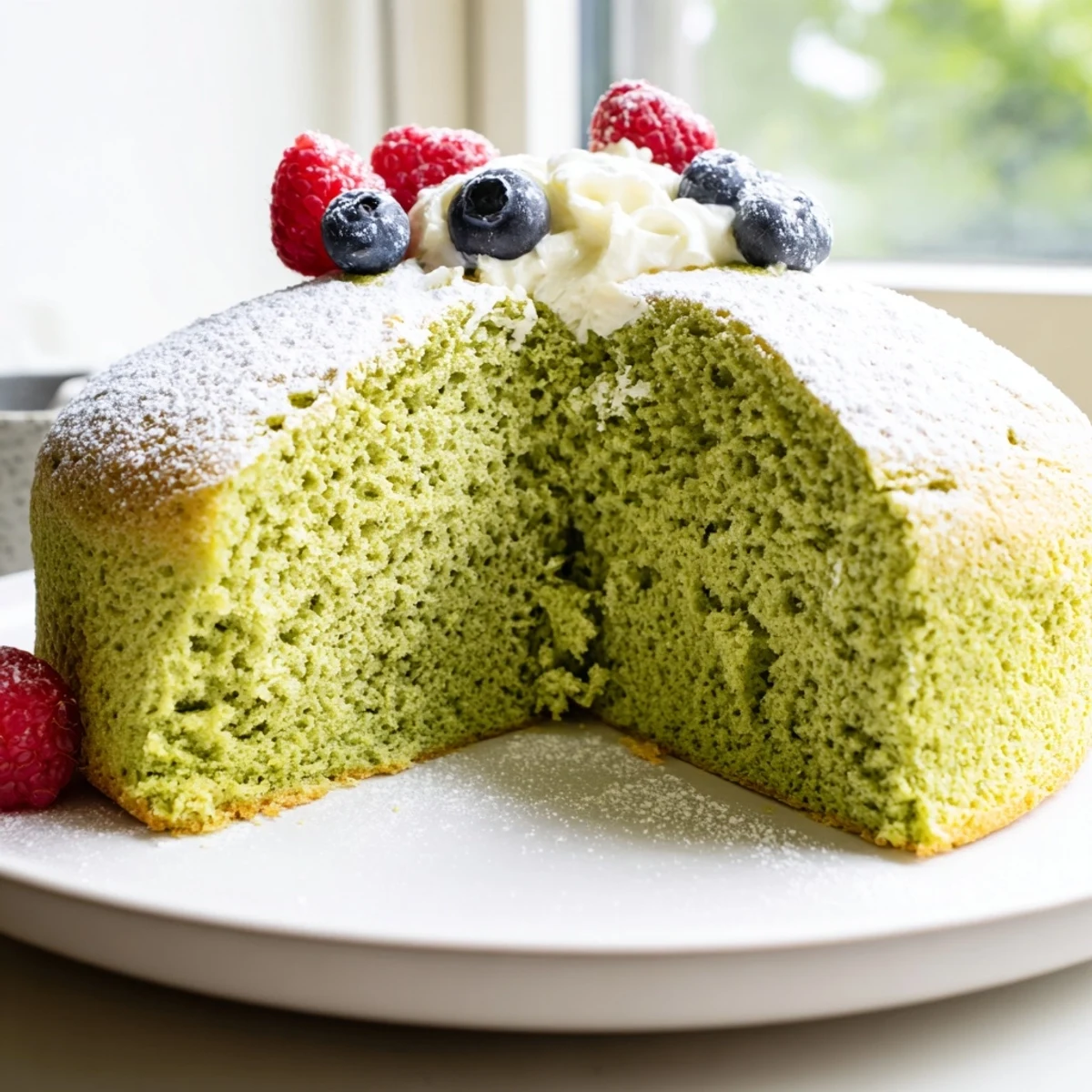
 One afternoon I found my roommate eating leftover matcha cake straight from the fridge at midnight, standing in bare feet with the door still open. That moment confirmed what I already suspected about this recipe.
Serving and Pairing Ideas
This cake pairs wonderfully with a cup of hojicha or genmaicha, whose roasted notes complement the grassy sweetness without competing. A glass of dry sparkling wine also works surprisingly well, the bubbles cutting through the butter like a palate cleanser between bites.
Making It Your Own
Swap half the all purpose flour for almond flour if you want a denser, slightly nutty crumb that feels more like a French financier. For bolder matcha intensity, add one more tablespoon of powder and reduce the flour by the same amount to keep the dry ratio balanced.
Storage and Make Ahead
Wrapped tightly in plastic, this cake stays moist at room temperature for up to three days and actually tastes better on day two when the flavors settle. You can also freeze individual slices between sheets of parchment for a quick weeknight treat.
- Always cool the cake completely before wrapping to avoid condensation that makes the surface soggy.
- Freeze slices flat on a tray first, then transfer to a bag so they do not stick together.
- Bring frozen slices to room temperature for about an hour before eating for the best texture.
 Pin It
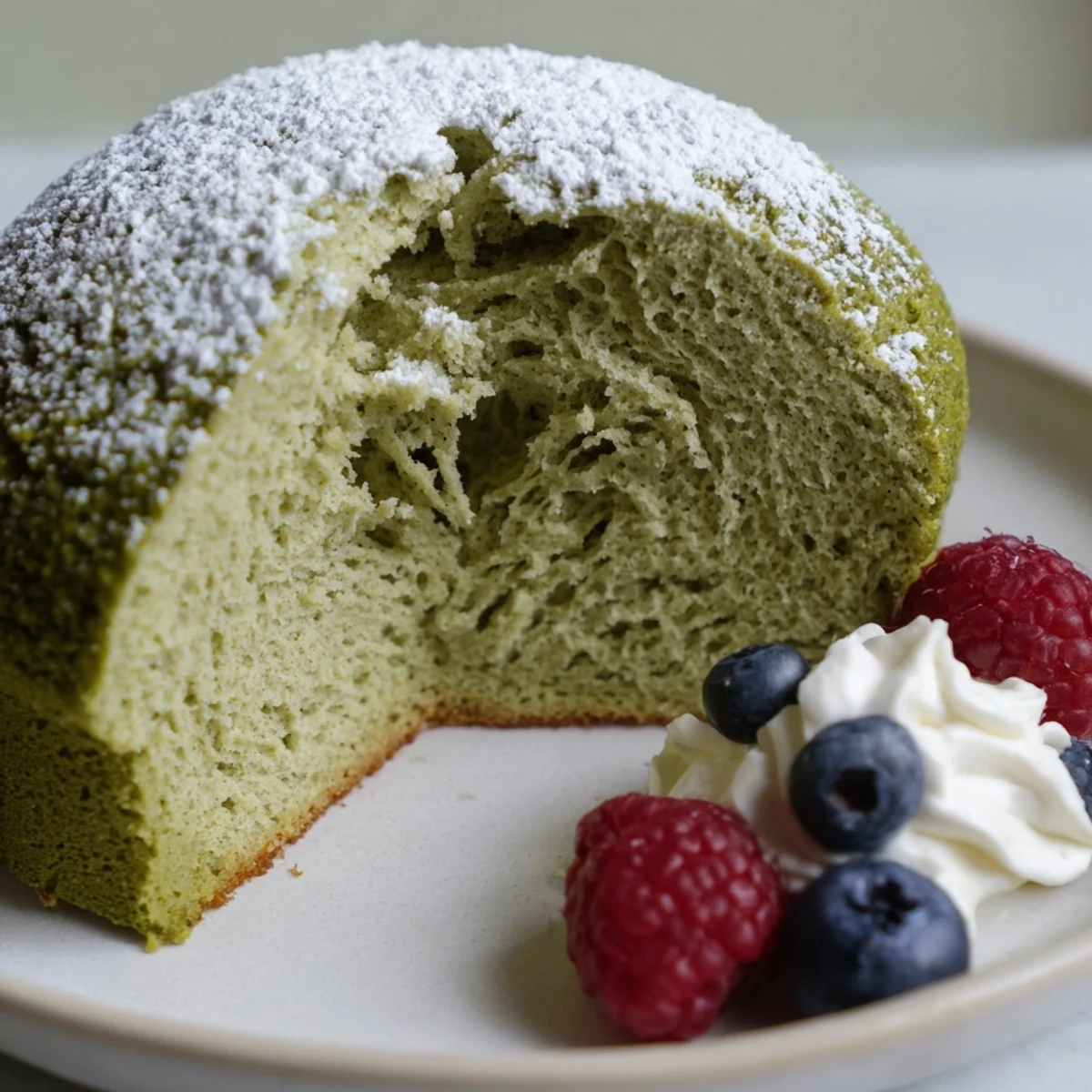
 Every time I bake this cake the kitchen smells like a tea shop in the best possible way, and that alone is worth turning on the oven. Share it with someone who thinks green desserts are strange, and watch them change their mind.
Recipe FAQs
- → What grade of matcha powder works best for this cake?
-
Ceremonial grade matcha provides the smoothest flavor and brightest color, but culinary grade works perfectly well too. Avoid drinking-grade blends with added sugar, as they can alter the texture and sweetness balance of the sponge.
- → Can I make this cake ahead of time?
-
Yes, the cake actually improves after resting. Bake it a day in advance, wrap it tightly in plastic once completely cooled, and store at room temperature. The matcha flavor mellows and melds beautifully overnight.
- → Why did my matcha cake turn out dense instead of fluffy?
-
Overmixing the batter after adding flour is the most common culprit. Fold the dry ingredients in gently and stop as soon as no streaks of flour remain. Also ensure your eggs are at room temperature for maximum volume when whisking with sugar.
- → Is this matcha cake suitable for vegetarians?
-
Yes, the cake is fully vegetarian as written. It contains eggs, butter, and milk but no meat or animal-derived gelatin. For a vegan version, you would need to substitute the eggs, butter, and dairy milk with plant-based alternatives.
- → How should I store leftovers?
-
Keep any remaining cake in an airtight container at room temperature for up to 3 days. For longer storage, wrap slices individually and freeze for up to 2 months. Thaw at room temperature before serving.
- → Can I use almond flour to make this gluten-free?
-
You can substitute up to half the all-purpose flour with almond flour for a nuttier flavor, but a complete substitution won't work as the sponge relies on gluten for structure. For a fully gluten-free version, use a 1:1 gluten-free flour blend designed for baking.