
 Pin It
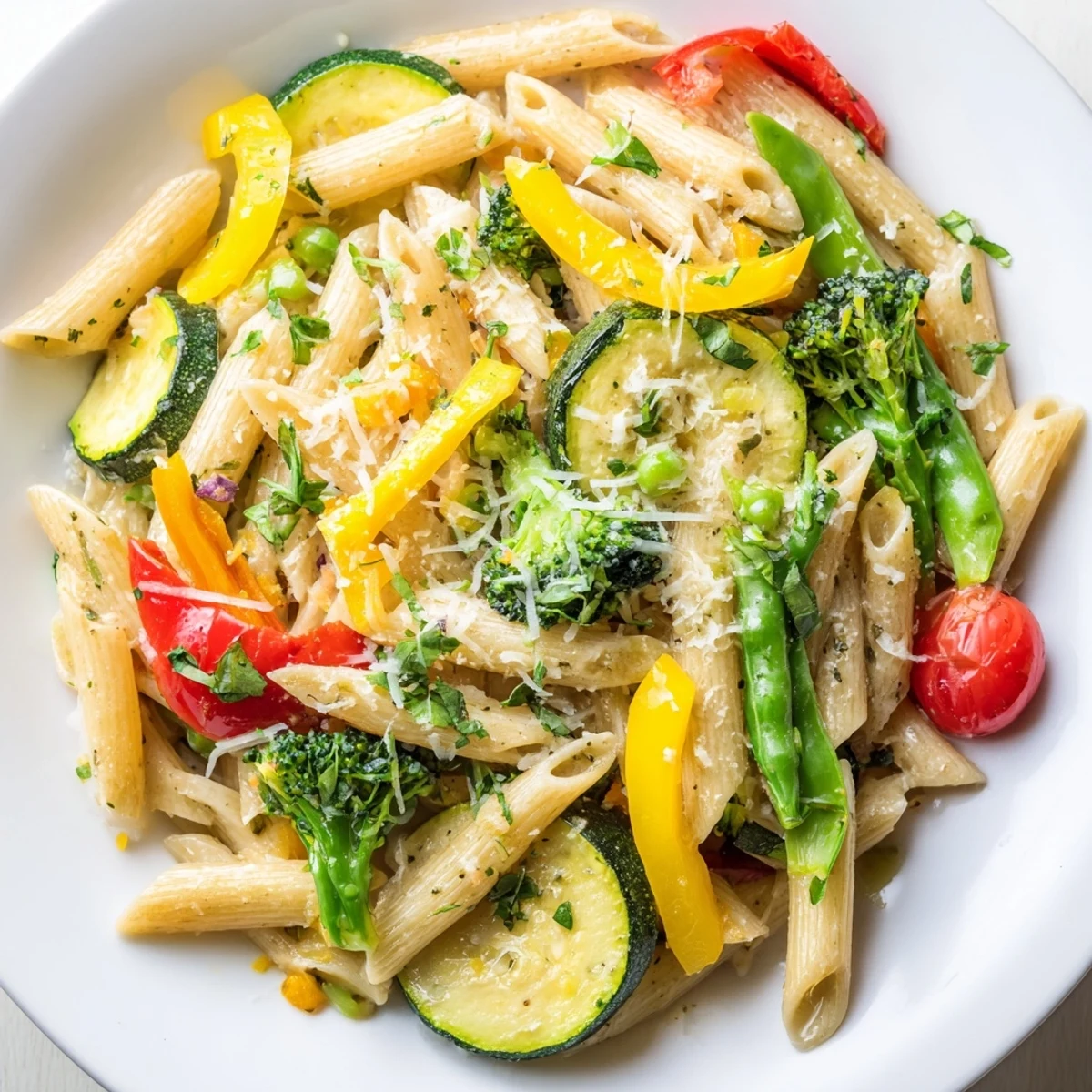
 This beloved Italian classic brings together perfectly cooked pasta with an array of crisp, colorful spring vegetables. The dish features zucchini, yellow squash, bell peppers, cherry tomatoes, broccoli florets, and sugar snap peas, all sautéed until tender yet crisp.
A light sauce of extra virgin olive oil, garlic, vegetable broth, and fresh lemon juice ties everything together, while Parmesan cheese adds a savory finish. Fresh basil and parsley brighten each bite.
Ready in just 40 minutes, this versatile main dish serves four beautifully. It's naturally vegetarian, easily adaptable for gluten-free needs, and pairs wonderfully with crisp white wine like Pinot Grigio.
The first time I made Pasta Primavera was on a rainy Tuesday when the farmers market had overflowed with spring vegetables I couldn't resist. I ended up with more produce than my crisper drawer could handle, so I threw everything into a skillet with whatever pasta I had in the pantry. My roommate wandered in midway through, drawn by the garlic hitting the hot oil, and we ended up eating straight from the pan standing at the counter.
Last summer I made this for a dinner party when my friend announced she'd gone vegetarian. I was panicked about having something substantial enough until this pasta came together. She took three servings and asked for the recipe before dessert even hit the table.
Ingredients
- 400 g penne or spaghetti: The curves of penne catch the sauce beautifully, but spaghetti works just as well
- 1 small zucchini, sliced: Keep slices thin so they cook through without becoming watery
- 1 small yellow squash, sliced: Adds sweetness and color that makes the dish sing
- 1 red bell pepper, julienned: The contrast against green vegetables makes everything look vibrant
- 1 cup cherry tomatoes, halved: They burst slightly and create little pockets of juice in the sauce
- 1 cup sugar snap peas, trimmed: Their crunch is the secret texture element everyone notices
- 1 cup broccoli florets: Small florets cook evenly and add heft without dominating
- 3 tablespoons extra virgin olive oil: The base that carries all the garlic and herb flavors
- 3 cloves garlic, minced: Fresh garlic, never jarred, makes all the difference here
- 1/2 teaspoon crushed red pepper flakes: Optional but adds a gentle warmth that cuts through the vegetables
- 1/2 cup vegetable broth: Creates a light sauce without overwhelming the fresh flavors
- Juice of 1 lemon: Brightens everything and makes the vegetables taste more alive
- 1/4 cup grated Parmesan cheese: Adds umami depth, plus more for serving because everyone wants extra
- Salt and freshly ground black pepper: Season generously as you go, vegetables can handle more salt than you think
- 2 tablespoons fresh basil, chopped: Add at the end so it stays aromatic and fresh
- 2 tablespoons fresh parsley, chopped: Brings a clean, peppery finish that balances the rich vegetables
Instructions
- Get your pasta water going first:
- Bring a large pot of salted water to a boil and cook the pasta until al dente, then drain while reserving 1/2 cup of that starchy pasta water before you forget
- Start the aromatics while water boils:
- Heat olive oil in a large skillet over medium heat, add minced garlic and red pepper flakes if using, and let it sizzle for about 1 minute until your kitchen starts smelling incredible
- Add the harder vegetables first:
- Toss in zucchini, squash, bell pepper, and broccoli, sautéing for 4 to 5 minutes until they're just tender with a slight bite still remaining
- Finish with delicate vegetables:
- Add cherry tomatoes and sugar snap peas, cooking for another 2 to 3 minutes until tomatoes start to soften and snap peas turn bright green
- Build the light sauce:
- Pour in vegetable broth and lemon juice, letting everything simmer together for 2 minutes while you season generously with salt and pepper
- Bring it all together:
- Add the drained pasta to the skillet along with Parmesan, tossing well and adding splashes of reserved pasta water as needed until the sauce coats each piece beautifully
- Finish with fresh herbs:
- Stir in basil and parsley, taste and adjust seasoning, and serve immediately while the vegetables are still vibrant and the pasta is piping hot
 Pin It
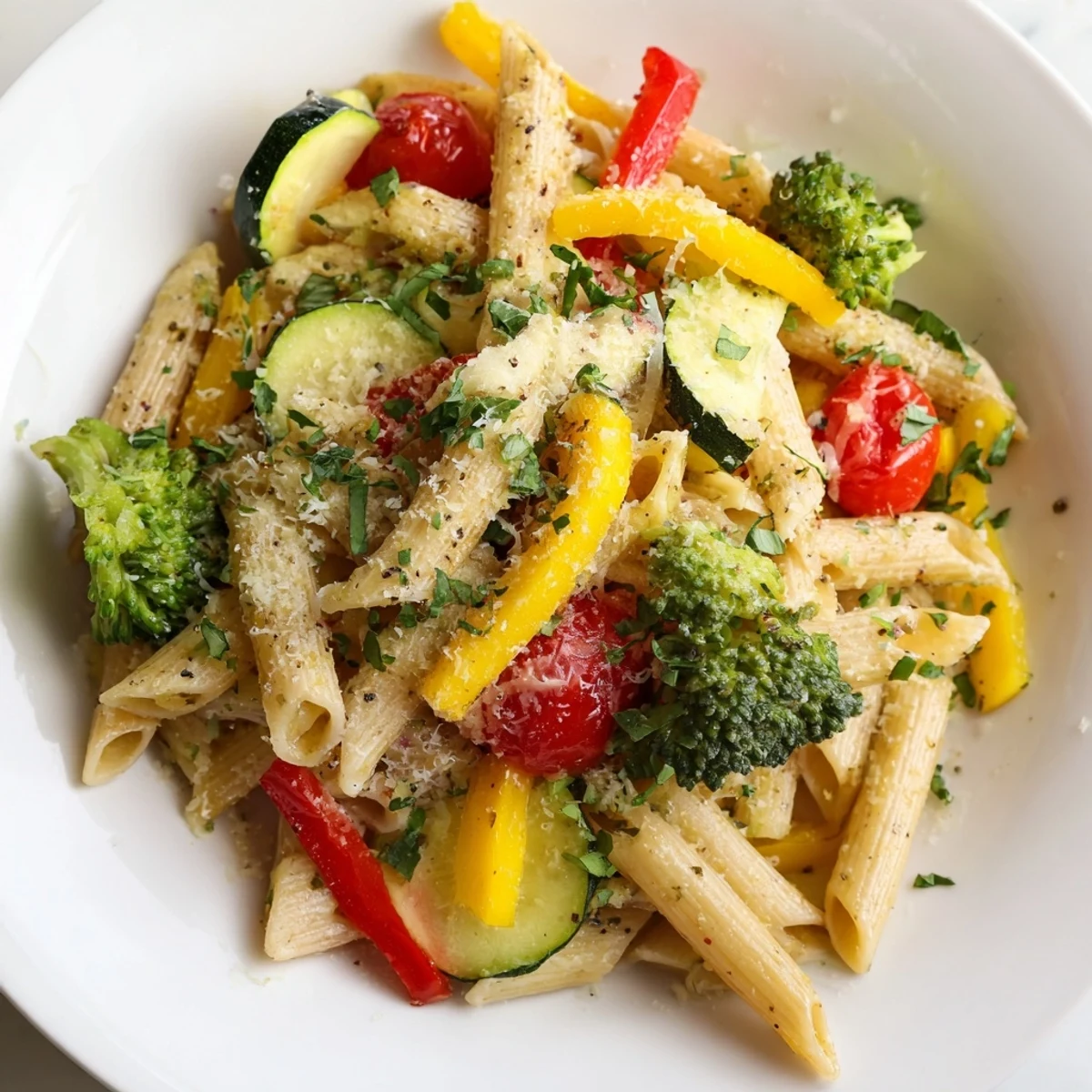
 This recipe became my go-to for nights when I want something that feels special but doesn't require me to follow a million steps or dirty every pan in the kitchen. There's something about the combination of crisp vegetables and pasta that just works, no matter what season it is.
Make It Your Own
Swap vegetables based on what's in season or what's on sale at your store. Asparagus and peas work beautifully in spring, while mushrooms and kale shine in fall. The method stays the same regardless of what you toss in the skillet.
Serving Suggestions
A crisp white wine like Pinot Grigio cuts through the olive oil and complements the vegetables perfectly. A simple green salad with lemon vinaigrette on the side keeps the meal light but satisfying. Crusty bread for sopping up any sauce left in the pan is never a bad idea.
Storage and Make Ahead
The leftovers actually hold up surprisingly well for lunch the next day, though the vegetables will soften slightly. If you're meal prepping, cook the pasta and vegetables separately and combine them just before serving to maintain the best texture.
- Store in an airtight container for up to 3 days
- Add a splash of water or broth when reheating to loosen the sauce
- Fresh herbs are best added right before serving leftovers
 Pin It
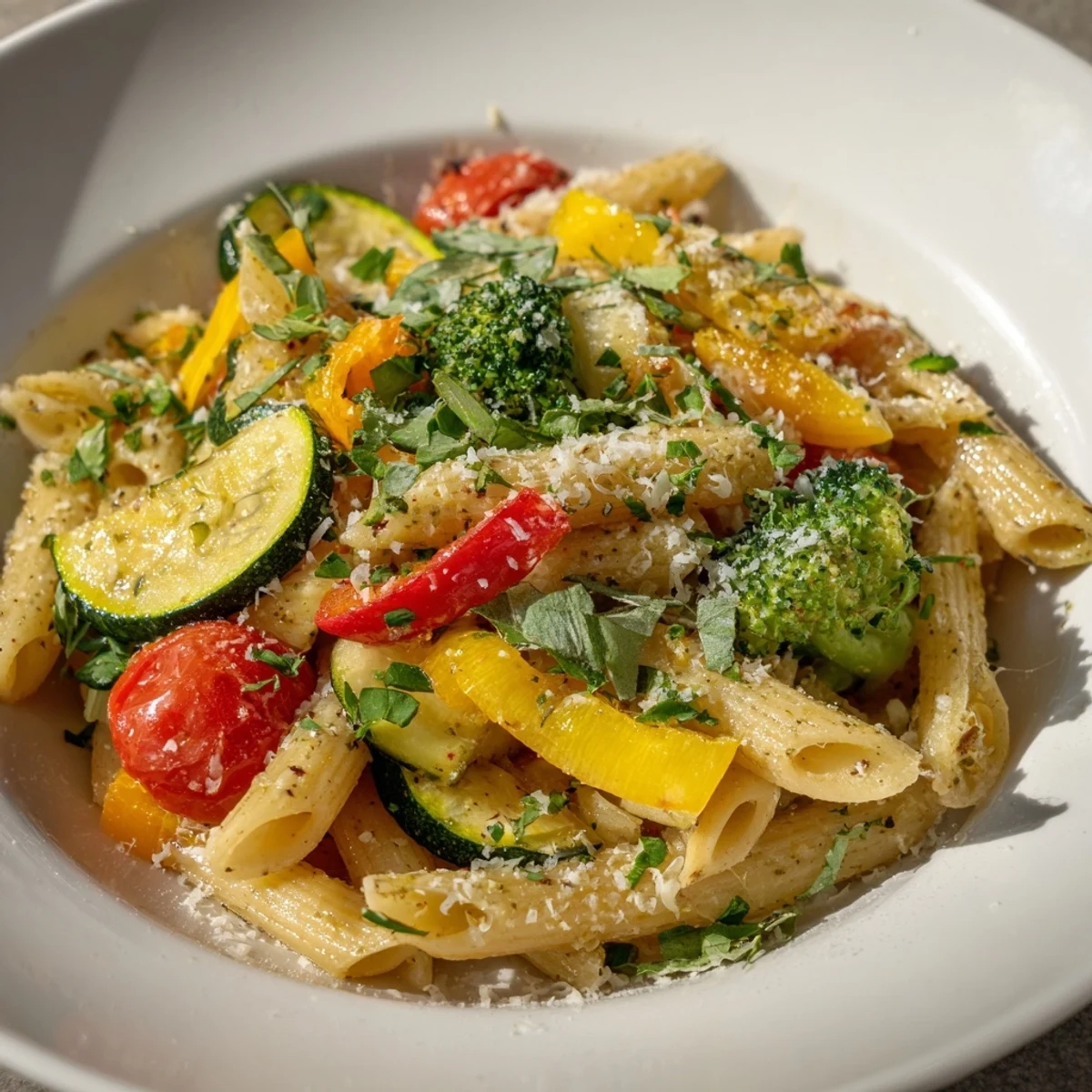
 There's something deeply satisfying about a pasta dish that celebrates vegetables without pretending to be anything else. This is the kind of recipe that reminds you why simple food, cooked with care, is always enough.
Recipe FAQs
- → What vegetables work best in pasta primavera?
-
Spring vegetables shine here—zucchini, yellow squash, bell peppers, cherry tomatoes, broccoli florets, and sugar snap peas provide beautiful color and varied textures. Feel free to substitute based on season or preference.
- → How do I prevent the vegetables from becoming mushy?
-
Sauté vegetables in stages, starting with harder ones like broccoli and peppers, then adding softer vegetables like tomatoes and snap peas near the end. Keep the heat at medium and cook until just tender-crisp.
- → Can I make this dish ahead of time?
-
It's best enjoyed fresh, but you can prep vegetables in advance and store them refrigerated. Cook everything just before serving—the pasta texture and vegetable crispness are at their peak immediately after preparation.
- → What pasta shape works best?
-
Penne catches the sauce and vegetables well, while spaghetti creates elegant strands. Rotini, fusilli, or farfalle also work beautifully. Choose any shape you enjoy, ensuring it's cooked to al dente perfection.
- → How can I add more protein to this dish?
-
Stir in cooked chicken breast, grilled shrimp, or crispy pancetta. For vegetarian options, add chickpeas, white beans, or cubed tofu. A dollop of ricotta or fresh mozzarella also boosts protein while adding creaminess.