
 Pin It
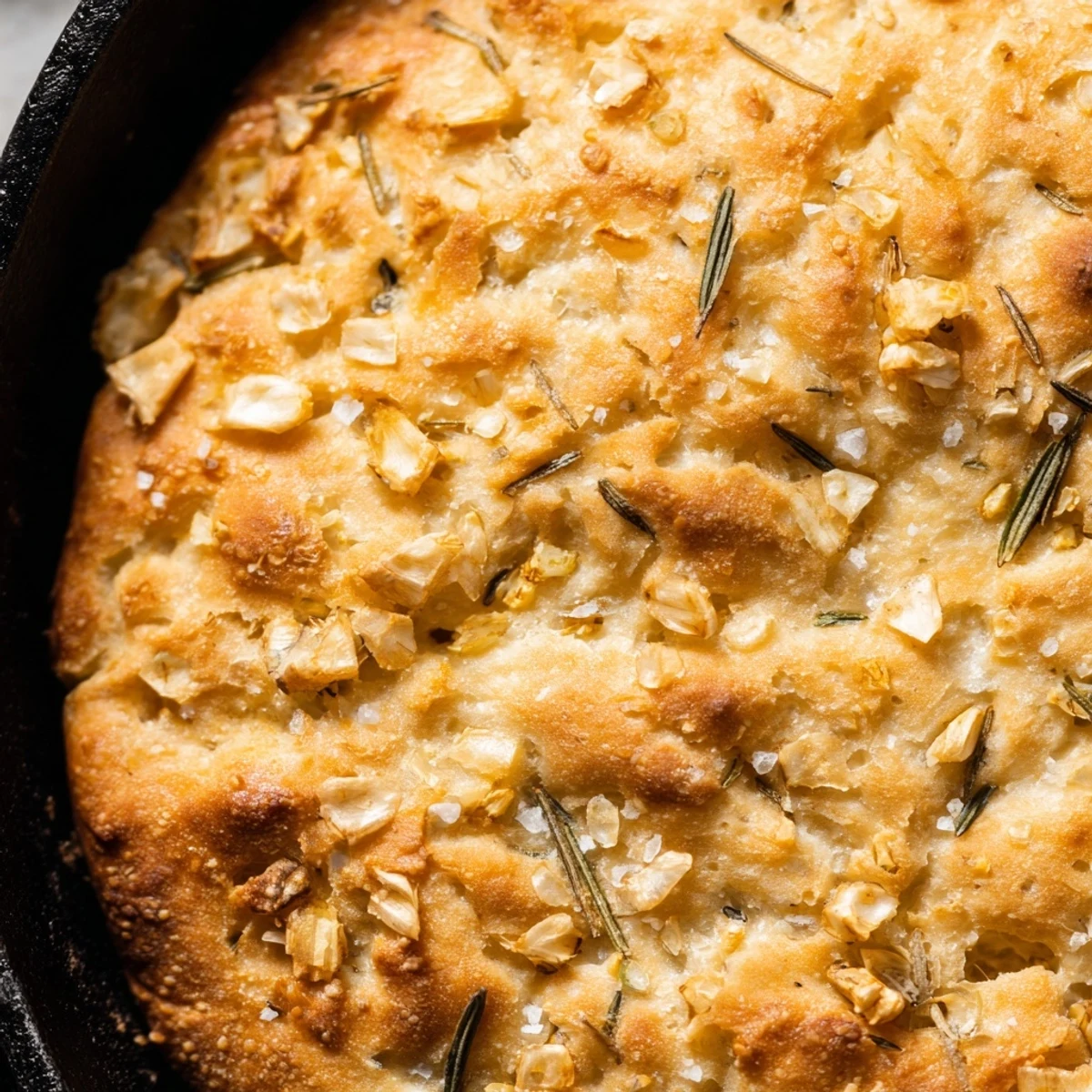
 This rustic skillet bread combines aromatic roasted garlic and fragrant fresh rosemary in a hearty, easy-to-make loaf. The dough develops a beautifully crisp exterior while maintaining a tender, chewy interior that's perfect for sopping up soups or dipping in quality olive oil. With just 15 minutes of active preparation and a simple rise time, you can bring bakery-style results to your table.
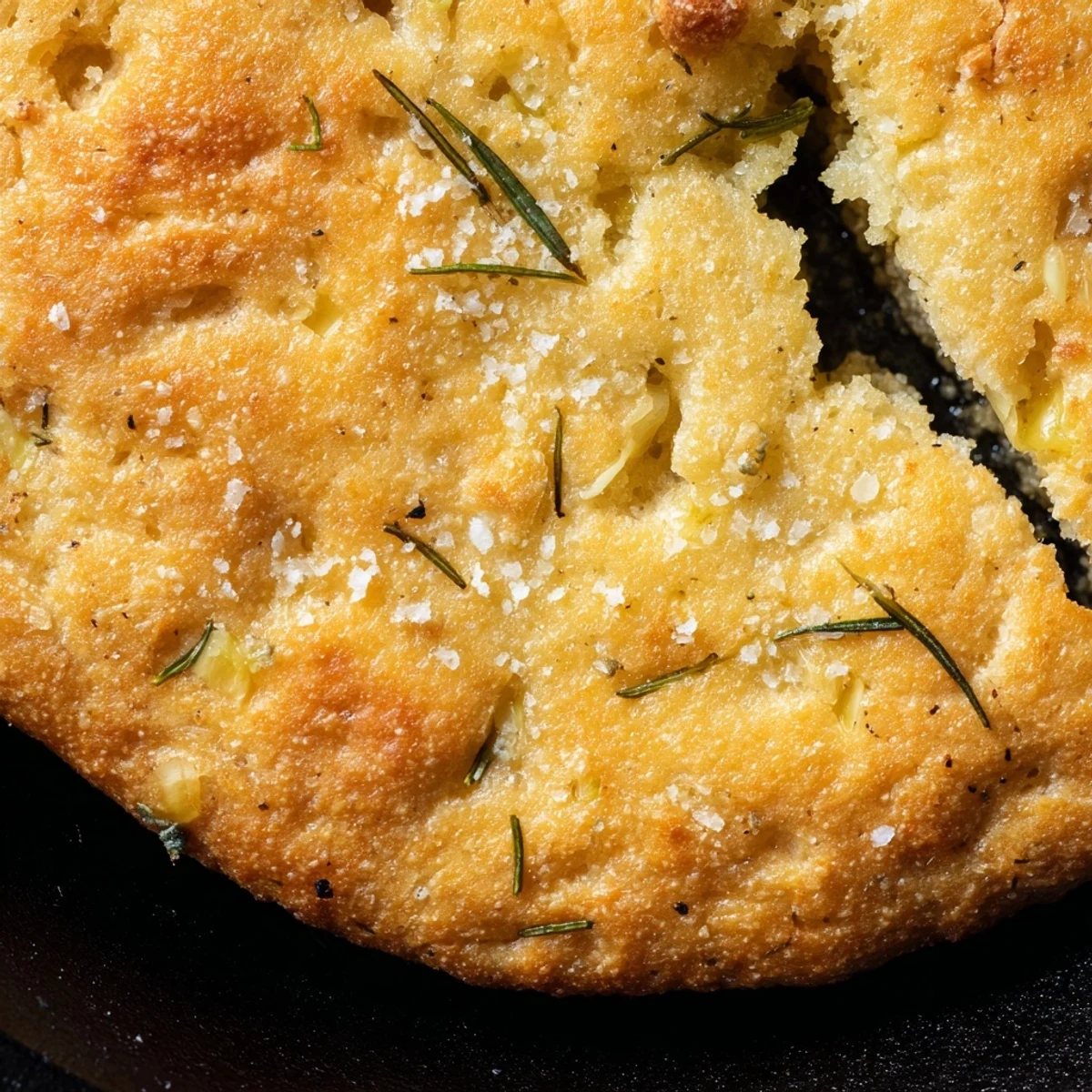
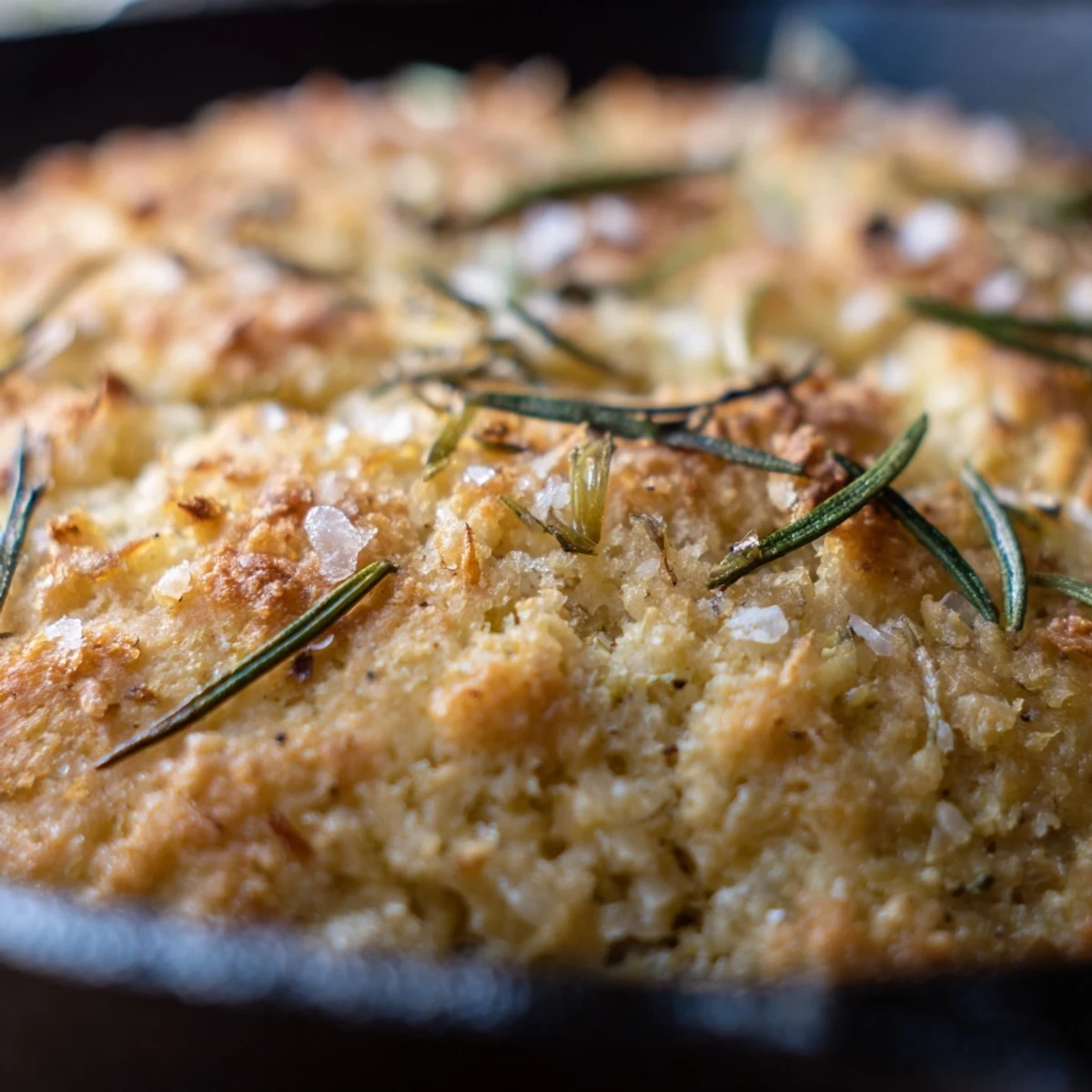
The cast iron skillet creates an irresistible golden crust, while the generous amount of garlic and herbs infuse every bite with savory depth. Serve it warm alongside your favorite pasta, stew, or enjoy it simply with a drizzle of extra virgin olive oil and flaky sea salt.
The first time I made skillet bread, my tiny apartment smelled like an Italian bakery for days. I had friends coming over for soup and zero ambition to make anything fancy, but sometimes those low stake moments produce the best food. This bread has become my go to whenever I need comfort without the fuss.
Last winter during a snowed-in weekend, my neighbor smelled this baking and actually knocked on my door to investigate. We ended up sharing the still-warm bread with butter while watching the snow pile up. Some recipes feed more than just the people at your table.
Ingredients
- Bread flour: Higher protein content than all purpose, giving this bread the structure it needs for that perfect chewy crumb
- Active dry yeast: Make sure your water is warm but not hot, around 105°F works best to wake up those yeast bubbles
- Fresh rosemary: Dried herbs lose their magic here, the fresh needles release oils that bake right into the dough
- Garlic: Roast the cloves first for a sweeter, milder flavor or use raw for that punchy kick everyone notices
- Flaky sea salt: The finishing touch that creates those delicious salty pockets on the crust
Instructions
- Wake up the yeast:
- Whisk warm water and yeast in a large bowl, then walk away for 5 minutes. You will know it is alive when a foamy layer forms on top.
- Build the base:
- Add flour and salt to your yeast mixture, stirring until a shaggy dough forms. Knead by hand or mixer for 5 to 7 minutes until the dough feels smooth and slightly tacky.
- Add the good stuff:
- Drizzle in olive oil, chopped rosemary, and minced garlic. Knead just long enough to distribute everything evenly through the dough.
- Let it rise:
- Place dough in a greased bowl, cover with a damp towel, and find the warmest spot in your kitchen. Wait about an hour until it has doubled in size.
- Shape in the skillet:
- Generously oil your 10-inch skillet. Press the dough gently toward the edges, cover again, and let it puff up for another 25 to 30 minutes.
- Heat things up:
- Preheat your oven to 425°F while the dough has its second rise. The hot skillet will give you that crispy bottom crust.
- Finish and bake:
- Brush the top with olive oil and scatter flaky salt across the surface. Bake for 30 to 35 minutes until deeply golden and a tap sounds hollow.
 Pin It
 This bread has saved more weeknight dinners than I can count. There is something about tearing off a warm piece that makes people linger at the table longer than they planned.
Making It Your Own
I have found that swapping rosemary for thyme creates this subtle lemon brightness that works beautifully with roasted chicken. Sage brings a more earthy, autumn vibe that pairs perfectly with squash soups. The garlic amount can be adjusted up or down depending on your crowd.
Timing Your Bake
The best trick I learned is to start the dough during morning coffee. By lunch time you have fresh bread, or let it rise slowly in the fridge all day for even better flavor development. Cold dough also handles much easier if you are nervous about shaping.
Serving Suggestions
This bread disappears fastest when served alongside a simple tomato soup or used to sop up the juices from a roast chicken. A bowl of good olive oil for dipping turns it into an instant appetizer that feels restaurant quality. Leftovers make the most incredible breakfast toast the next morning.
- Wrap cooled bread tightly to keep it fresh for up to two days
- Reheat slices in a 350°F oven for 5 minutes to restore the crust
- Freeze whole loaves wrapped in foil and thaw at room temperature
 Pin It
 There is nothing quite like pulling warm bread from the oven and watching faces light up. This recipe reminds me that the best food often comes from the simplest ingredients and a little bit of patience.
Recipe FAQs
- → Can I use dried rosemary instead of fresh?
-
Fresh rosemary provides the best flavor and aroma, but you can substitute with dried rosemary. Use one-third the amount since dried herbs are more concentrated. Soak the dried herbs in warm water for 10 minutes before adding to help rehydrate them.
- → Do I need a cast iron skillet?
-
While cast iron is preferred for even heat distribution and superior crust development, any oven-safe 10-inch skillet will work. Avoid using glass or thin aluminum pans as they may not achieve the same crispy exterior.
- → Can I make this bread dairy-free?
-
Yes, this bread is naturally dairy-free. Ensure your yeast doesn't contain any dairy-derived additives, and you're all set. The olive oil provides the necessary fat without any butter or milk products.
- → How should I store leftovers?
-
Wrap the cooled bread tightly in plastic wrap or store in an airtight container at room temperature for up to 2 days. For longer storage, slice and freeze in freezer bags for up to 3 months. Reheat in a 350°F oven for 5-10 minutes to refresh the crust.
- → Can I add other ingredients like cheese or onions?
-
Absolutely! This versatile dough welcomes additions. Try mixing in shredded parmesan, cheddar, or caramelized onions. Just keep additions to about 1 cup total to maintain the dough's structure and rise.
- → Why is my dough too sticky to handle?
-
Slight stickiness is normal and desirable for this rustic bread. Lightly oil your hands or dust with flour when shaping. If excessively sticky, add additional flour one tablespoon at a time until manageable.