
 Pin It
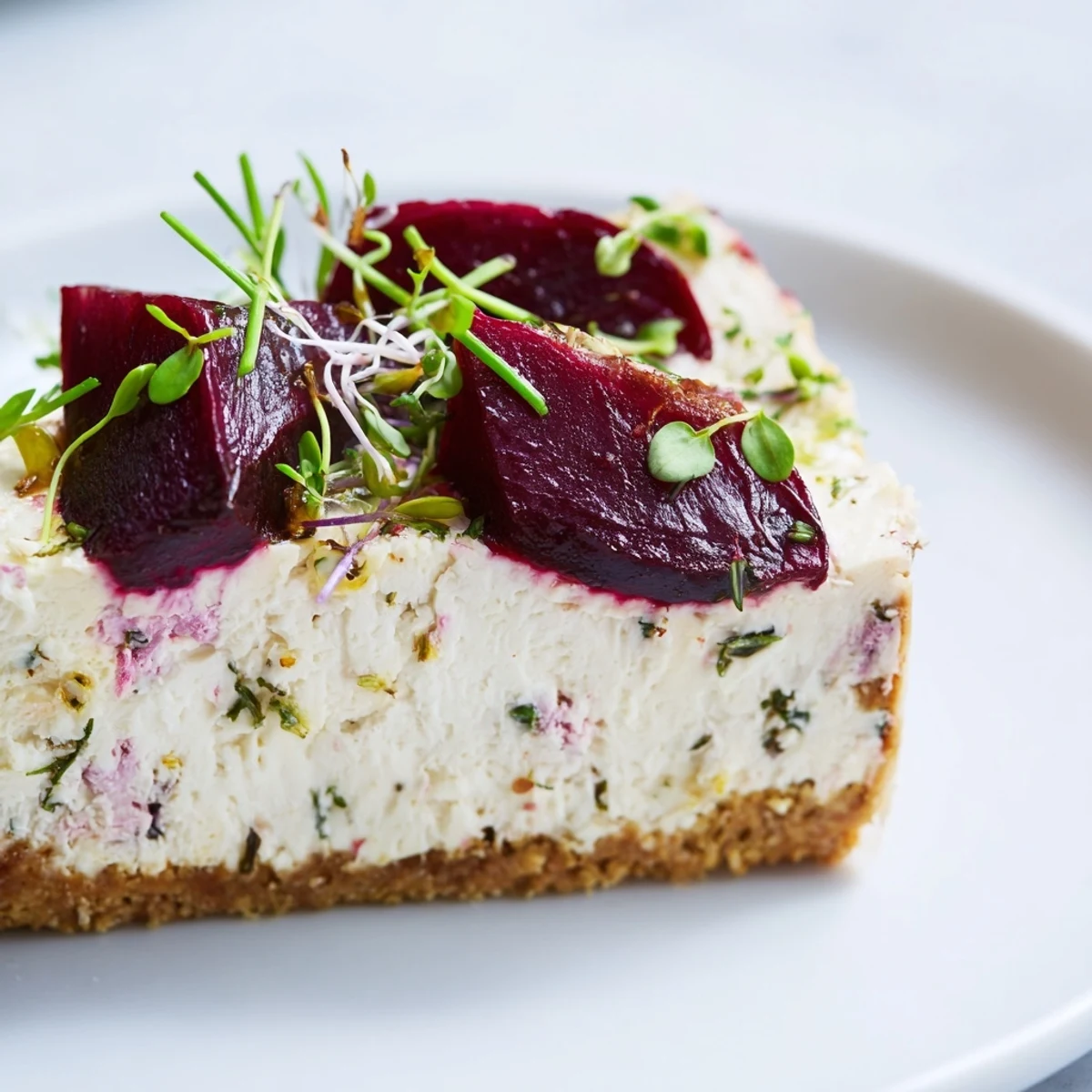
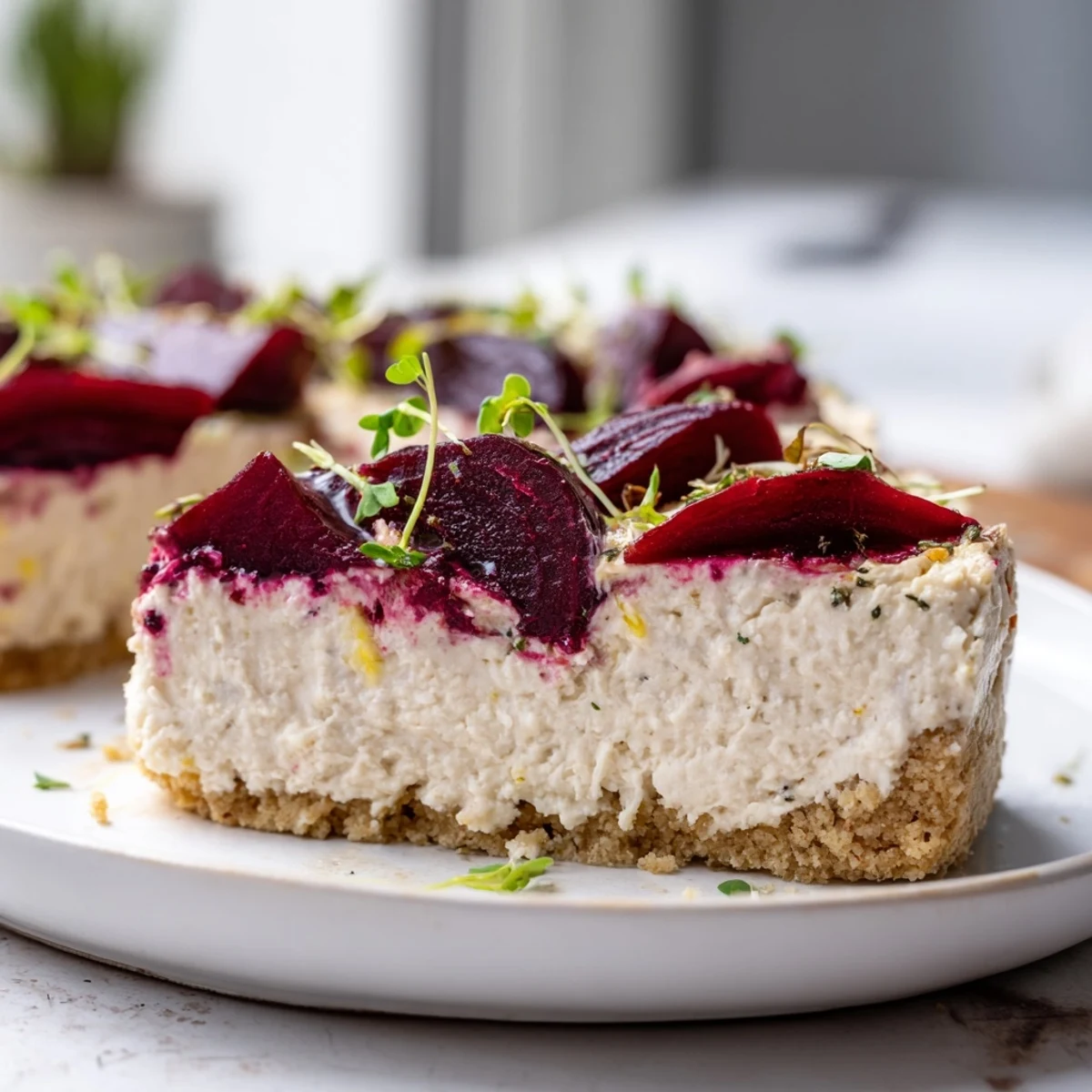
 This elegant savoury cheesecake combines creamy cream cheese, ricotta, and aged cheddar on a crisp wholemeal crust. The filling is enhanced with fresh thyme and lemon zest, creating a rich yet balanced texture. Sweet roasted beetroot wedges, caramelized with balsamic vinegar, provide a beautiful contrast in both colour and flavour.
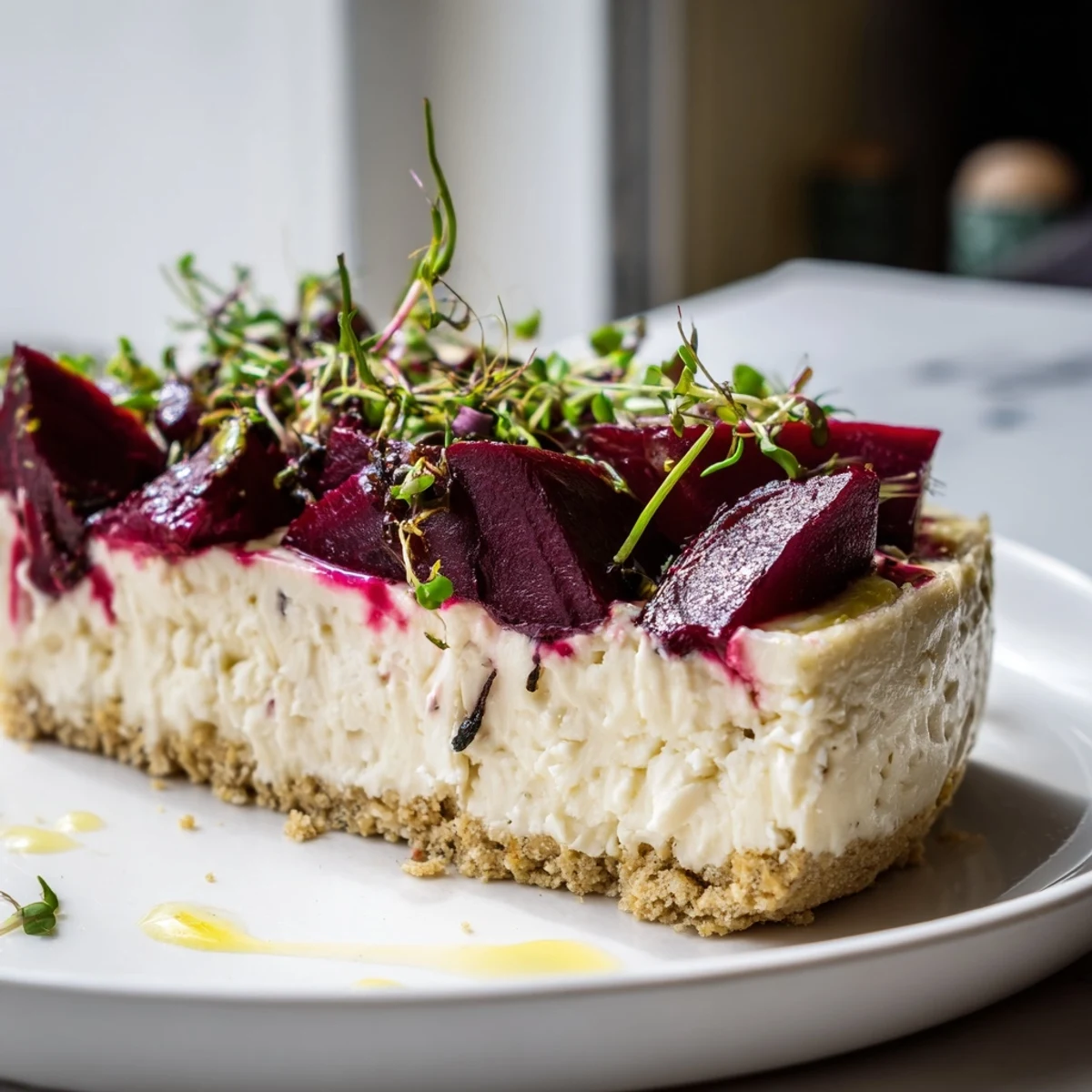
Ideal for entertaining, this dish can be prepared ahead and served chilled or at room temperature. Garnish with fresh chives, microgreens, and a drizzle of olive oil for a stunning presentation that's perfect for dinner parties or special occasions.
The first time I served this at a dinner party, my guests looked genuinely confused when I brought out a cheesecake after the main course. Their faces lit up when they realized it was savory, dotted with jewel-toned roasted beets and fragrant herbs.
I started experimenting with savory cheesecakes after a memorable meal at a tiny bistro in Lyon, where the waiter described their appetizer as cheesecake but delivered something entirely unexpected. It took me three attempts to get the crust right without becoming soggy under all that creamy filling.
Ingredients
- 150 g wholemeal crackers or digestive biscuits: The wholemeal variety adds a lovely nutty flavor that holds up beautifully against the rich filling, and I have found they create a sturdier base than their refined counterparts
- 60 g unsalted butter, melted: Do not even think about reducing this amount, the butter is what creates that irresistible shortbread-like texture that prevents a soggy bottom situation
- 400 g cream cheese, room temperature: This absolutely must be softened to room temp or you will end up with lumpy filling no matter how long you beat it
- 200 g ricotta cheese: The ricotta lightens the texture and adds a subtle sweetness that complements the sharper aged cheese
- 100 g grated mature cheddar or Gruyère: Go for something properly aged with real bite, it needs to stand up to all that creaminess
- 2 large eggs, room temperature: These provide structure without making the cheesecake rubbery or dense
- 1 tablespoon fresh thyme leaves: Fresh thyme brings an aromatic earthiness that bridges the gap between the cheese and beets beautifully
- Zest of 1 lemon: This tiny addition brightens the entire filling and keeps each bite feeling light despite all the cheese
- 3 medium beetroots, peeled and cut into wedges: Look for beets that feel heavy and firm, avoiding any that are soft or spotted
- 2 tbsp olive oil and 1 tbsp balsamic vinegar: The balsamic concentrates in the oven and creates this incredible sticky glaze on the beets
Instructions
- Prepare your pan and crust:
- Preheat oven to 180°C (350°F) and line a 20 cm springform pan with parchment paper. Blitz the crackers into fine crumbs, then mix in melted butter and half teaspoon of sea salt until combined. Press the mixture firmly into the bottom of the pan, making sure it is evenly distributed, then bake for 10 minutes and let cool while you prepare the filling.
- Make the creamy cheese filling:
- In a large bowl, blend the cream cheese, ricotta, and grated cheese until completely smooth and no lumps remain. Add the eggs one at a time, mixing thoroughly after each addition, then stir in the fresh thyme leaves, lemon zest, pepper, and remaining salt until everything is incorporated.
- Bake until perfectly set:
- Pour the filling over the cooled crust and smooth the top with a spatula. Bake for 40 to 45 minutes until the center is just set with a slight wobble when you gently shake the pan, then cool to room temperature before chilling in the fridge for at least two hours, though overnight is even better for the flavors to develop.
- Roast the beetroot to sweetness:
- Toss the beet wedges with olive oil, balsamic vinegar, salt, and pepper until evenly coated. Spread them on a roasting tray and roast at 200°C (400°F) for 30 to 35 minutes until they are tender and the edges are caramelized and slightly sticky from the balsamic.
- Assemble and serve:
- Release the cheesecake from the springform pan and arrange the roasted beetroot wedges on top. Scatter fresh chives and microgreens or arugula over the surface, finish with a generous drizzle of good olive oil, then slice and serve chilled or at room temperature.
 Pin It
 My sister-in-law still talks about the evening I brought this to her garden party, served alongside simple salads and crusty bread. Watching guests go from skeptical to absolutely converted after their first bite has become one of my favorite kitchen memories.
Make It Your Own
The beauty of this recipe lies in how adaptable it is to your preferences and what is in season. I have swapped the beetroot for roasted red peppers in summer and caramelized shallots in autumn, each version bringing its own character to the party.
Perfecting The Texture
Getting that restaurant-quality smoothness comes down to temperature management more than anything else. Room temperature ingredients blend together seamlessly, while cold cream cheese will leave you fighting against tiny lumps that never quite disappear no matter how long you mix.
Serving Suggestions
This cheesecake works beautifully as an elegant appetizer or as the star of a light lunch alongside a green salad dressed with something acidic. A crisp Sauvignon Blanc cuts through the richness perfectly, though a dry Pinot Gris works just as well if you prefer something slightly fruitier.
- Try individual mini versions in muffin tins for cocktail parties
- A sprinkle of toasted walnuts adds lovely crunch alongside the beets
- The flavor actually improves after a day in the fridge, so do not hesitate to make it ahead
 Pin It
 There is something deeply satisfying about serving a dish that challenges expectations and then exceeds them. This savory cheesecake has earned its permanent place in my repertoire, and I suspect it might find its way into yours too.
Recipe FAQs
- → Can I make this cheesecake ahead of time?
-
Yes, this cheesecake actually improves when made ahead. Prepare it up to 24 hours in advance and keep it refrigerated. The flavours develop beautifully, and the texture becomes firmer, making it easier to slice cleanly for serving.
- → What can I substitute for the crackers in the crust?
-
For a gluten-free option, use gluten-free crackers or crushed nuts. Almond flour mixed with a bit of Parmesan also works well. If you eat gluten, digestive biscuits, graham crackers, or even pretzels can create different flavour variations.
- → How do I know when the cheesecake is properly baked?
-
The cheesecake is done when the edges are set but the center still has a slight wobble when you gently shake the pan. It will continue to firm up as it cools. Overbaking can cause cracks, so remove it from the oven when you see that gentle wobble in the center.
- → Can I use different types of cheese?
-
Absolutely. While mature cheddar or Gruyère provides excellent flavour, you can substitute with goat cheese for a tangier profile, or use Swiss cheese for a milder taste. Just keep the total quantity similar to maintain the proper texture.
- → What's the best way to store leftovers?
-
Store leftover cheesecake in an airtight container in the refrigerator for up to 4 days. The roasted beetroot is best kept separate and added just before serving, as it can make the cheesecake soggy if stored together. Bring to room temperature before serving for the best flavour.
- → Can I serve this warm instead of chilled?
-
While it's traditionally served chilled, you can serve this at room temperature for a softer, creamier texture. Avoid serving it piping hot as the texture becomes too soft. Room temperature allows the flavours to shine while maintaining structure.