
 Pin It
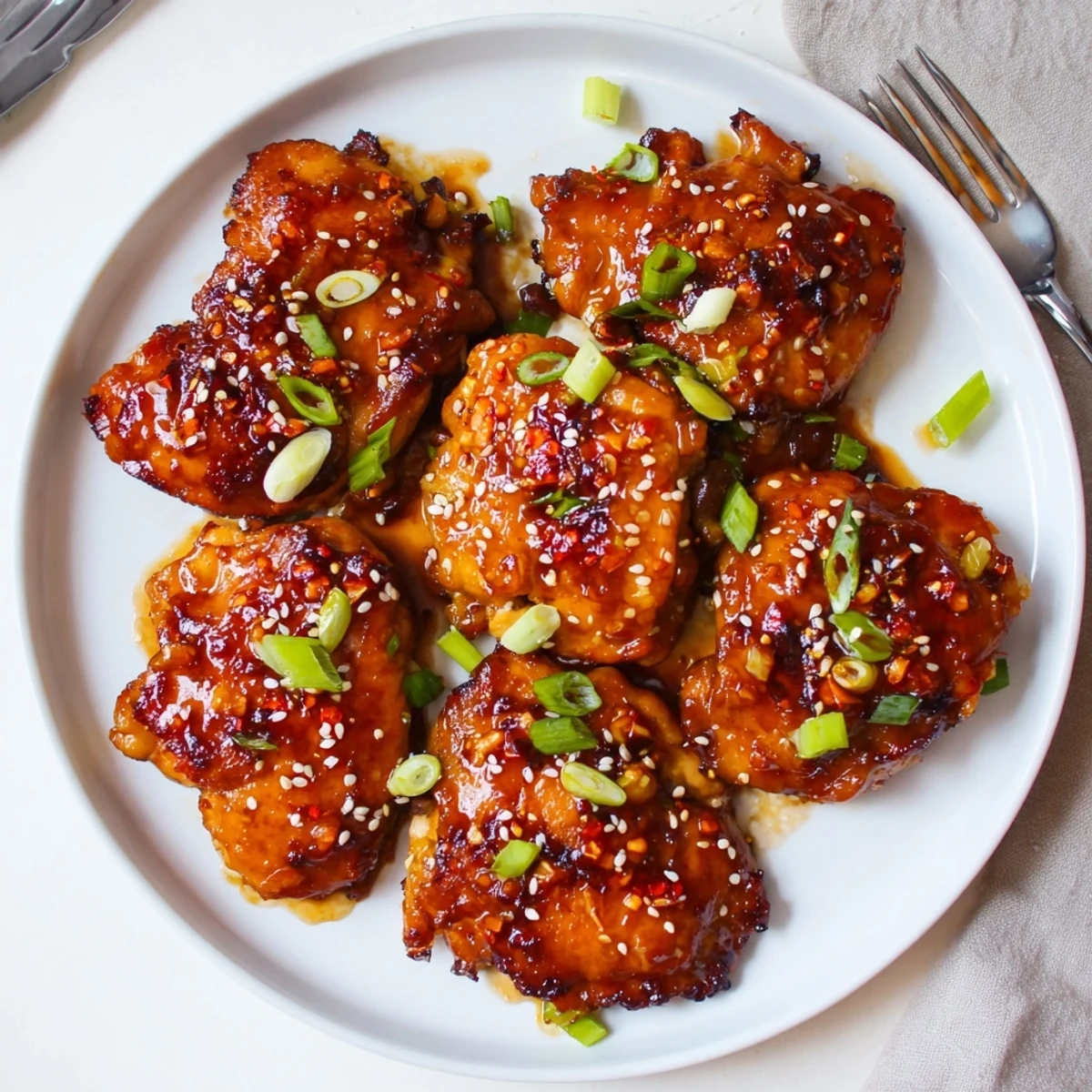
 Boneless chicken thighs are seasoned, seared until golden, then baked with a glossy apricot glaze made from preserves, soy, Dijon, rice vinegar, honey, garlic and ginger. Searing adds caramelized flavor and baking finishes the cooking while the sauce thickens to a sticky coating. Rest briefly, garnish with green onions and sesame seeds, and serve over rice or sautéed greens.
The smell of apricot preserves hitting a hot skillet is one of those unexpected kitchen surprises that stops you in your tracks, sweet and floral and suddenly deeply savory all at once. I stumbled onto this combination on a rainy Tuesday when the pantry offered nothing but a jar of preserves and some boneless thighs that needed using. What came out of the oven that evening was lacquered, sticky, and completely irresistible. My partner stood over the skillet eating straight from the pan before I could even plate it.
I made this for a friend who swears she does not like sweet mains, and she went back for thirds without saying a word. The soy sauce and ginger pull the apricot back from dessert territory and into something that feels balanced and complex. That dinner turned into a standing monthly recipe night where we take turns picking dishes neither of us would cook alone.
Ingredients
- 8 boneless, skinless chicken thighs: Thighs stay juicy through the oven finish where breasts would dry out, so trust the dark meat here.
- 1 cup apricot preserves: The backbone of the glaze, and a good quality preserve with real fruit pieces makes a noticeable difference over the cheapest jar.
- 2 tablespoons soy sauce: Adds the salty depth that keeps the sweetness from taking over the whole dish.
- 1 tablespoon Dijon mustard: A quiet ingredient that sharpens everything and helps the glaze cling to the chicken.
- 2 tablespoons rice vinegar: Brightens the sauce with a gentle tang, though apple cider vinegar works in a pinch.
- 2 tablespoons honey: Reinforces the stickiness and helps the glaze caramelize beautifully in the oven.
- 2 cloves garlic, minced: Fresh garlic stirred into the sauce raw mellows perfectly during baking.
- 1 teaspoon fresh ginger, grated: Microplane it fine so the flavor distributes evenly without biting into a fibrous piece.
- 1/2 teaspoon crushed red pepper flakes: Entirely optional but a gentle warmth underneath the sweetness is a lovely surprise.
- 1 tablespoon vegetable oil: Just enough to get a good sear going before the sauce enters.
- 2 tablespoons sliced green onions: A fresh crisp finish that cuts through the richness.
- 1 tablespoon sesame seeds: Toasted if you have the extra minute, they add a nutty crunch that completes the plate.
Instructions
- Crank the oven:
- Set it to 400 degrees Fahrenheit and let it fully preheat because that initial blast of heat is what sets the glaze.
- Prep the chicken:
- Pat every thigh dry with paper towels and give them a light seasoning of salt and pepper so the surface is ready to sear rather than steam.
- Whisk the glaze:
- In a small bowl, combine the apricot preserves, soy sauce, Dijon mustard, rice vinegar, honey, minced garlic, grated ginger, and red pepper flakes until smooth and unified.
- Get that golden crust:
- Heat the vegetable oil in a large ovenproof skillet over medium high heat and sear the thighs for three to four minutes per side until they wear a deep golden color you feel proud of.
- Dress it up:
- Pour the apricot sauce over the seared chicken and tumble everything gently so each piece is coated and glistening.
- Into the oven:
- Transfer the skillet uncovered into the oven and bake for eighteen to twenty two minutes until the chicken is cooked through and the sauce has thickened into a bubbling sticky lacquer.
- Let it breathe:
- Remove from the oven and give it two to three minutes of rest so the juices redistribute and the glaze settles slightly.
- Finish with flair:
- Scatter sliced green onions and sesame seeds across the top and serve immediately while everything is still shimmering.
 Pin It
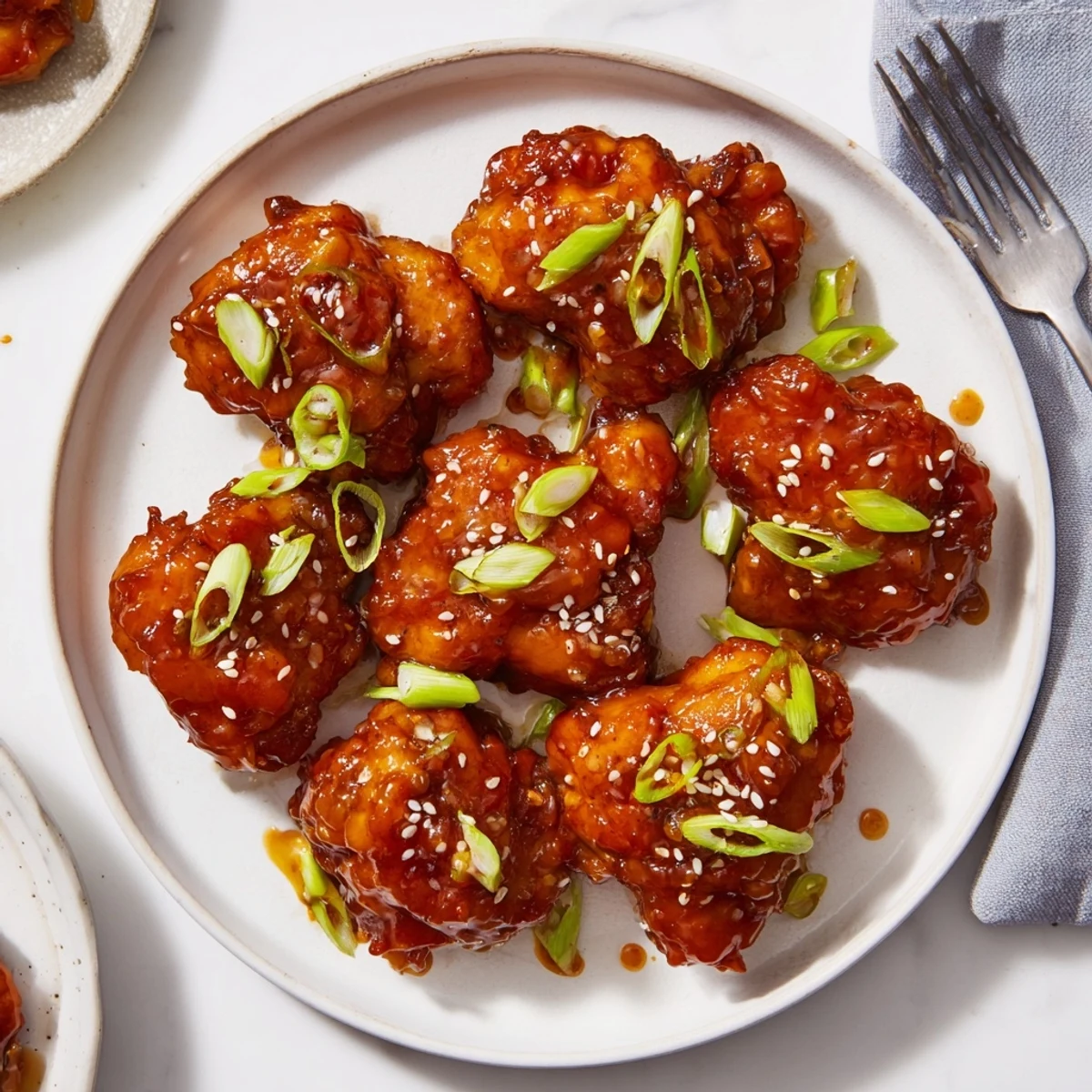
 There is something about carrying a bubbling skillet from the oven to the table that makes everyone gather around without being called. The sauce catches the light and the smell fills the room with warmth that has nothing to do with temperature.
Serving Ideas That Actually Work
Steamed jasmine rice is the obvious move and the right one because it soaks up the extra sauce like nothing else. Sautéed bok choy or a quick cucumber salad with sesame dressing brings freshness that balances the sticky richness on the plate.
Swaps and Adjustments
Chicken breasts will work if that is what you have, but slice them in half horizontally so they cook evenly and check them a few minutes early. Peach or mango preserves can stand in for apricot when the jar runs out and each one shifts the flavor profile in a slightly different direction worth exploring.
Getting Ahead and Storing Leftovers
You can mix the sauce a day in advance and keep it in the fridge, which shaves the active time down to almost nothing on a busy evening. Leftovers reheat gently in a covered skillet over low heat and taste even better the next day when the flavors have married overnight.
- Store leftovers in an airtight container in the refrigerator for up to three days.
- Avoid microwaving at full power because the sugars in the glaze will scorch before the chicken heats through.
- Freezing is possible but the texture of the glaze changes slightly upon thawing so fresh is always best.
 Pin It
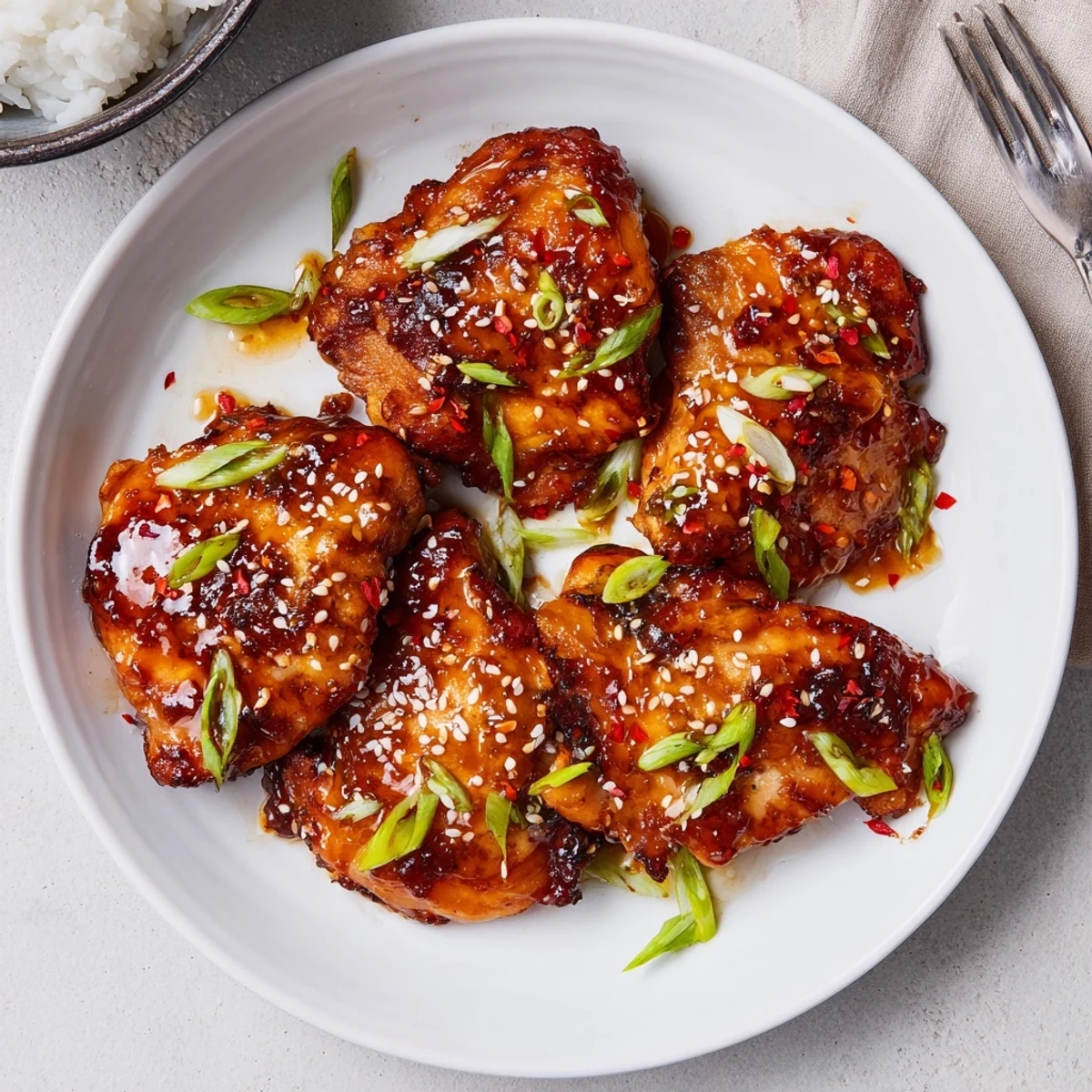
 This is the kind of recipe that earns a permanent spot in your rotation without asking permission. Make it once and you will find yourself reaching for that jar of apricot preserves again and again.
Recipe FAQs
- → Can I use chicken breasts instead of thighs?
-
Yes—use boneless breasts but reduce baking time and check for doneness earlier to prevent drying. Sear briefly to develop color, then finish in the oven until internal temperature reaches 165°F (74°C).
- → How do I thicken the apricot glaze if it’s too thin?
-
Simmer the sauce on the stovetop before adding to the pan to reduce and concentrate it. After baking, return the skillet to the stove over medium heat and cook a minute or two to caramelize and thicken the glaze further.
- → What can I serve with this apricot-glazed chicken?
-
Steamed jasmine rice, brown rice, or cauliflower rice soak up the glaze nicely. Sautéed or steamed greens—bok choy, spinach, or broccolini—add a bright contrast to the sweet-salty flavors.
- → How can I make it spicier?
-
Increase the crushed red pepper flakes in the sauce, add a dash of sriracha, or stir in a teaspoon of gochujang for a deeper chili note. Adjust gradually and taste before baking.
- → How should leftovers be stored and reheated?
-
Cool to room temperature, refrigerate in an airtight container for up to 3 days. Reheat gently in a skillet over low heat to preserve the glaze, adding a splash of water or rice vinegar if the sauce has thickened too much.
- → Any tips for preventing the glaze from burning in the oven?
-
Sear the chicken to develop color, but keep oven temperature and baking time moderate. If the sauce begins to darken too quickly, tent the skillet loosely with foil for the last few minutes while the chicken finishes cooking.