
 Pin It
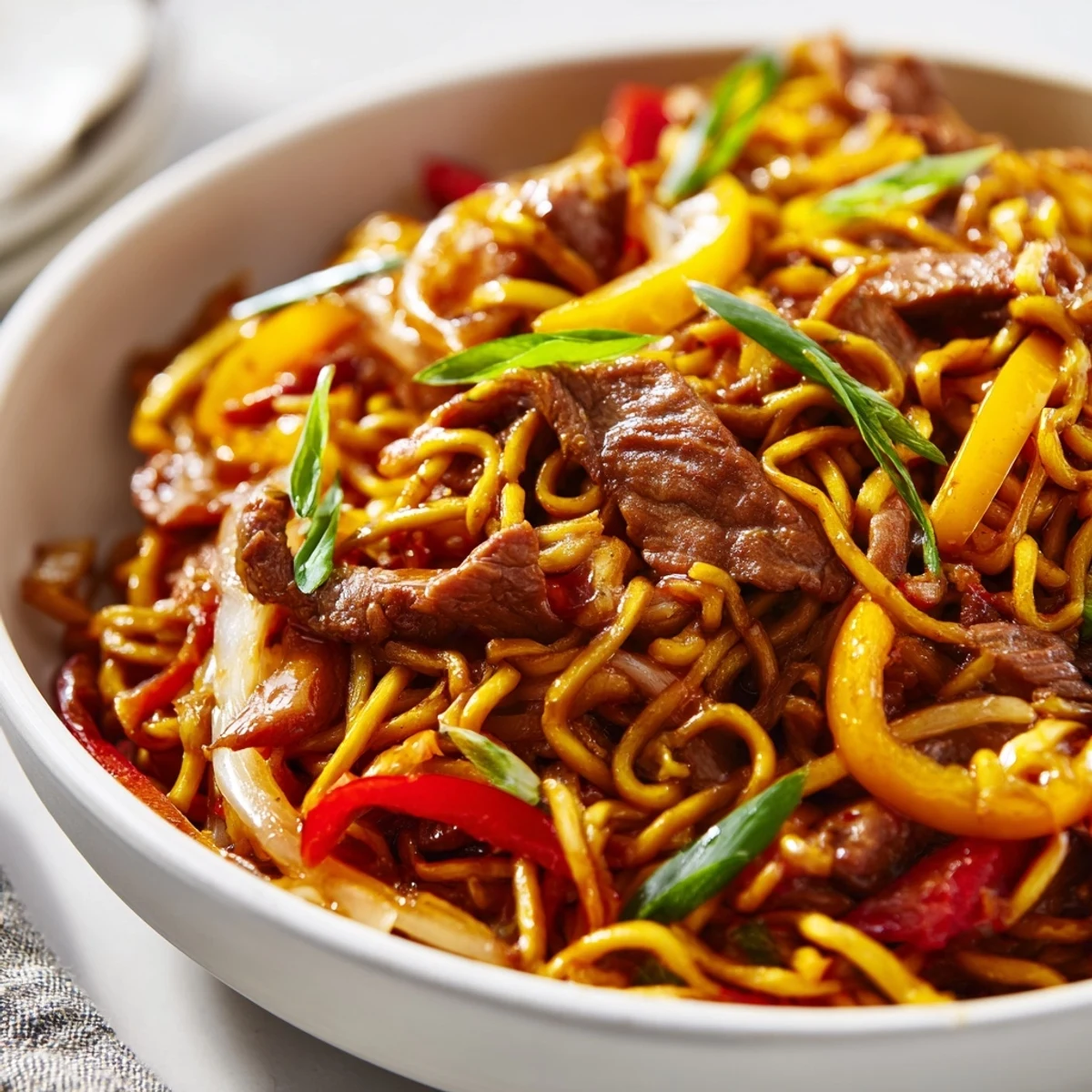
 This classic Chinese-style noodle dish features thinly sliced beef sirloin quickly seared to lock in juices, then combined with colorful red and yellow bell peppers and aromatic onions. The chow mein noodles are perfectly cooked until tender, then tossed in a well-balanced sauce made with soy, oyster, and hoisin sauces. The entire dish comes together in a hot wok, creating those signature smoky flavors and tender-crisp textures that make stir-fry so appealing. Perfect for busy weeknights when you want something hearty and flavorful on the table in under 40 minutes.
The sizzle of beef hitting a scorching wok is one of those sounds that instantly pulls me into a better mood, like rain on a tin roof or a cork popping at a dinner party. My neighbor Mrs. Liu once told me the secret to chow mein is patience with the heat and zero patience with overcooking the vegetables. I burned my first batch of noodles badly enough to set off every alarm in my apartment, but that failure taught me more than any cookbook ever did.
I made this for a group of friends during a rainy game night when the power kept flickering and nobody could agree on what to order. The wok was the only thing getting any action that evening, and by the third plate disappearing in silence, I knew this dish had earned a permanent spot in my rotation.
Ingredients
- Beef sirloin (350g): Slice this against the grain as thin as you possibly can, because the thinner the slices, the more tender each bite becomes in the wok.
- Bell peppers (2, red and yellow): Using two different colors is not just for looks, the slight sweetness variation between them makes the dish taste more complex than it actually is.
- Large onion (1): A sharp onion cut thin will melt into sweetness during the stir fry and form a natural flavor base.
- Spring onions (2): Save these for the very end because their fresh bite is the finishing touch that brightens everything.
- Garlic (2 cloves, minced): Fresh garlic only, the jarred stuff lacks the pungent punch that makes stir fry sauce sing.
- Ginger (1 thumb sized piece, julienned): Thin strips of ginger release their warmth slowly throughout the cooking process rather than overwhelming you all at once.
- Chow mein noodles (300g): Egg noodles work beautifully as a substitute if your store does not carry traditional chow mein varieties.
- Soy sauce (3 tbsp): This is the salty backbone of the entire sauce, so use a brand you actually enjoy tasting on its own.
- Oyster sauce (1 tbsp): This adds a deep, savory richness that you simply cannot replicate with anything else in your pantry.
- Hoisin sauce (1 tbsp): A touch of sweetness and complexity that rounds out the salty and savory elements perfectly.
- Sesame oil (1 tbsp): Toasted sesame oil is what gives chow mein that unmistakable nutty aroma you smell from authentic restaurant kitchens.
- Cornstarch (1 tsp): This tiny amount thickens the sauce just enough to coat the noodles without turning everything gummy.
- Water (1 tbsp): Mixed with cornstarch to create a slurry that distributes evenly through the sauce.
- Black pepper (half tsp): Freshly cracked makes a noticeable difference here since the pepper flavor stands out in this sauce.
- Sugar (half tsp): Just enough to balance the saltiness without making anything taste sweet.
- Vegetable oil (2 tbsp): You need a neutral oil with a high smoke point because this wok is going to get very hot.
Instructions
- Build the sauce first:
- Whisk together the soy sauce, oyster sauce, hoisin sauce, sesame oil, black pepper, sugar, cornstarch, and water in a small bowl until the cornstarch disappears completely. Let it sit on the counter so everything is ready when the cooking gets fast and furious.
- Cook and prep the noodles:
- Follow the package directions for your noodles, then drain and rinse immediately under cold running water to stop them from cooking further and turning mushy. Toss them gently with a few drops of sesame oil to keep the strands from sticking together while you work on everything else.
- Sear the beef quickly:
- Heat one tablespoon of vegetable oil in your wok over the highest heat your stove can manage until you see wisps of smoke. Toss in the sliced beef in a single layer and stir fry for about two minutes until beautifully browned on the outside but still slightly pink inside, then scoop it out onto a plate and set it aside.
- Wake up the aromatics:
- Pour the remaining tablespoon of oil into the same wok and add the garlic, ginger, and onion all at once. Stir them constantly for about one minute until your kitchen smells incredible and the onions just begin to soften at the edges.
- Toss in the peppers:
- Add both colors of bell pepper to the wok and stir fry for two to three minutes. You want them slightly softened but still bright and crunchy, not wilted and sad.
- Bring it all together:
- Return the beef and any juices from the plate back into the wok, then add the cooked noodles and pour the sauce over everything. Use tongs to toss vigorously for two to three minutes until every noodle is glossy and coated and the whole dish is piping hot throughout.
- Finish and serve immediately:
- Scatter the sliced spring onions over the top and give one final toss before transferring to a large serving platter. This dish waits for no one, so call everyone to the table the moment it leaves the wok.
 Pin It
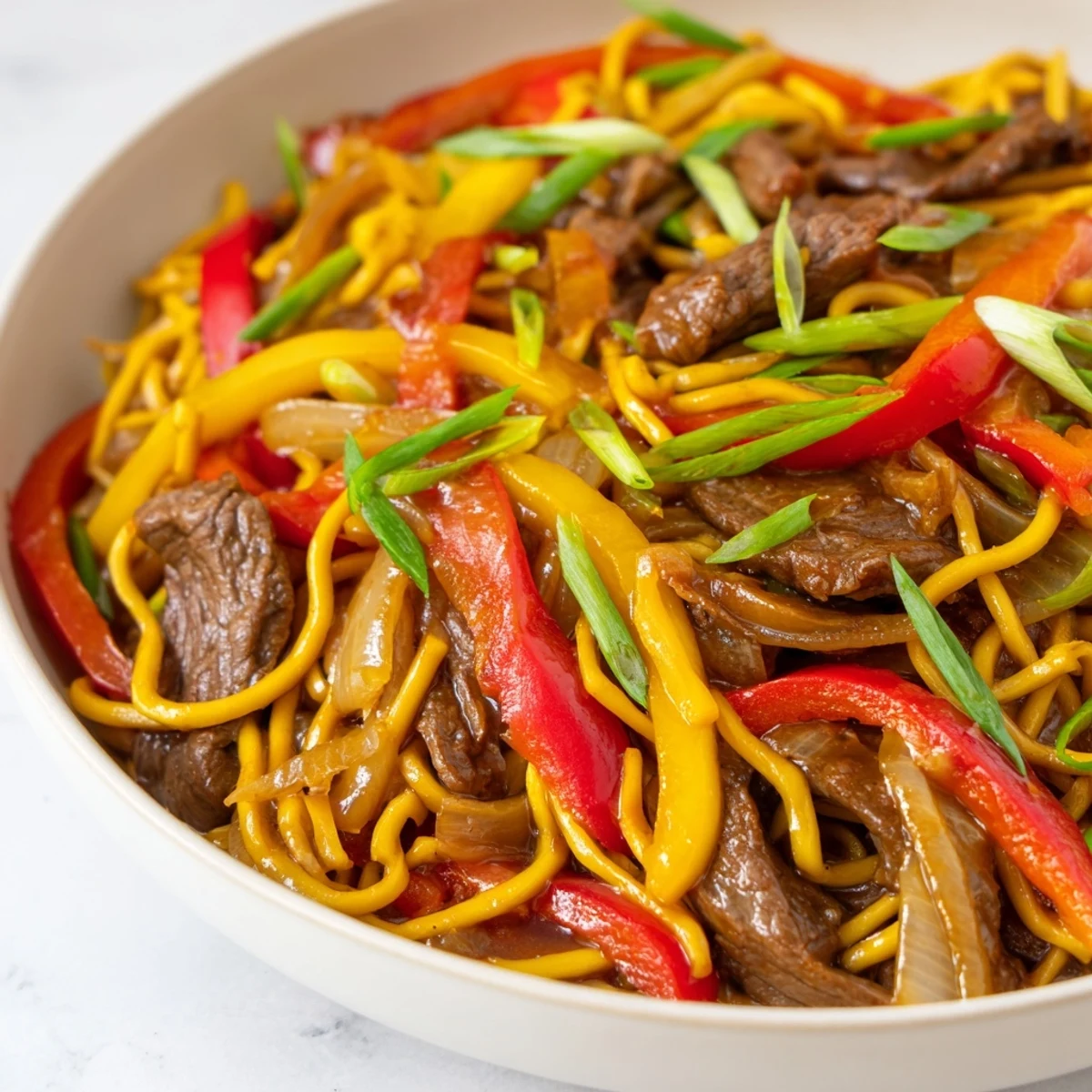
 There is something deeply satisfying about sliding a towering plate of glossy noodles onto the table while everyone is still mid conversation and watching them abandon their sentences to reach for chopsticks.
Getting the Wok Heat Right
Your biggest enemy in stir frying is a wok that is not hot enough, because everything starts stewing in its own liquid instead of getting that blistered, smoky char. I crank my burner to maximum and wait until I see a faint shimmer of smoke rising from the dry wok before adding any oil. If you are using an electric stove, a heavy cast iron skillet actually retains heat better than a traditional carbon steel wok.
Noodle Texture Matters More Than You Think
Overcooked noodles will disintegrate into a starchy paste the moment they hit the sauce, which is why that cold water rinse after draining is not optional. I learned this the hard way when my first batch turned into something closer to dumpling filling than chow mein. Slightly undercook them by about thirty seconds compared to the package instructions since they will cook again in the wok.
Making It Your Own
This recipe is a blueprint more than a rulebook, and the best chow mein I have ever made came from cleaning out my crisper drawer on a Tuesday night. Snow peas, julienned carrots, bean sprouts, and even shredded cabbage all belong in this dish if they are sitting in your kitchen waiting for a purpose.
- Swap the beef for chicken thigh, firm tofu, or large shrimp depending on what you have on hand.
- A splash of rice vinegar at the very end cuts through the richness and adds a brightness most people will not be able to identify but will absolutely notice.
- Serve with a cold crisp lager or a pot of jasmine tea and call it a perfect weeknight dinner.
 Pin It
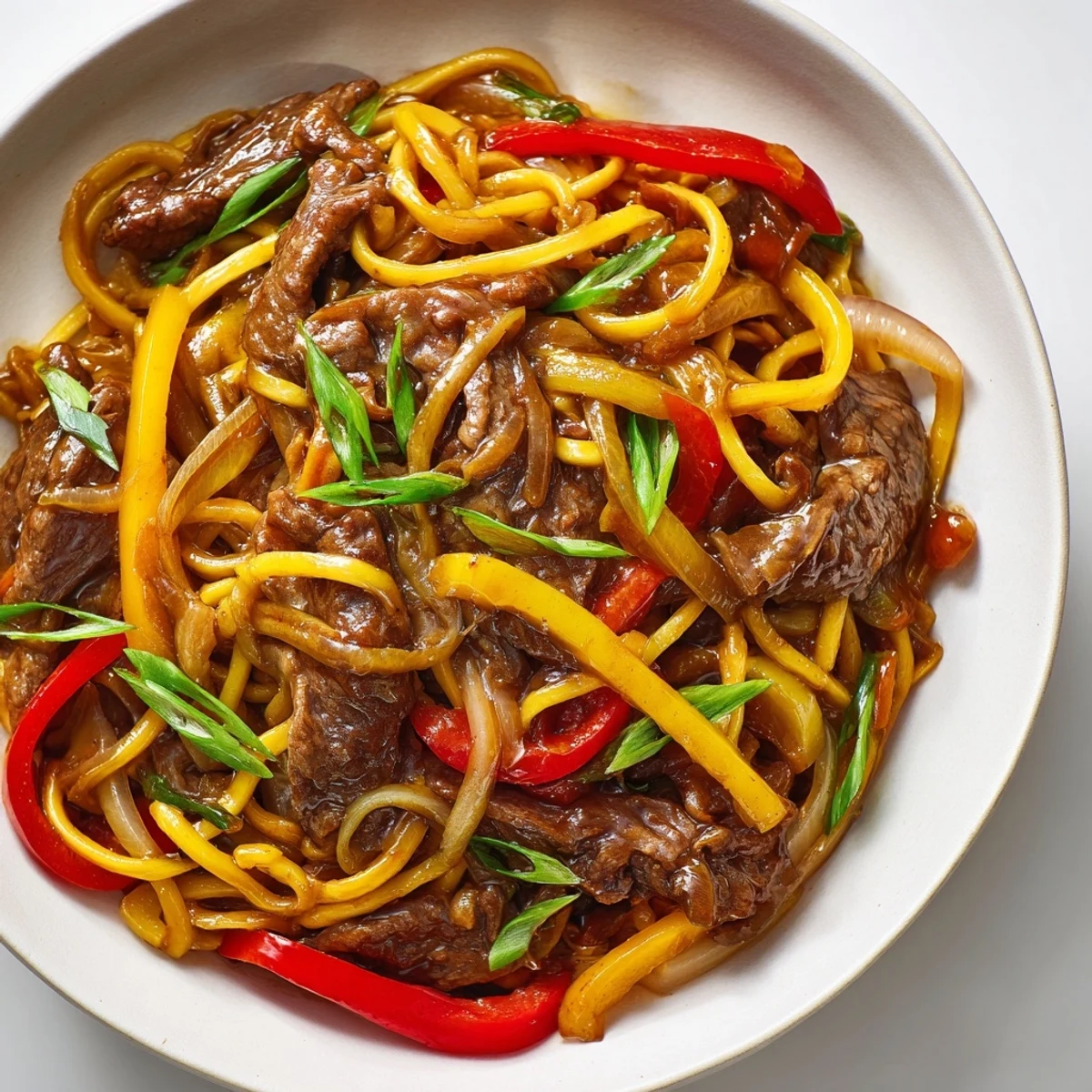
 Some dishes you cook to impress people and some you cook because they make a regular Tuesday feel a little more special, and this chow mein has always been both for me. Grab your wok, crank the heat, and trust the sizzle.
Recipe FAQs
- → What type of beef works best for chow mein?
-
Beef sirloin is ideal because it's tender and slices beautifully. Flank steak or ribeye also work well. Slice the beef thinly against the grain for the most tender results.
- → Can I use different noodles?
-
Yes, egg noodles are traditional, but you can substitute with fresh Chinese noodles, udon, or even spaghetti in a pinch. Just adjust cooking time according to package instructions.
- → How do I prevent the beef from getting tough?
-
Slice the beef thinly against the grain and stir-fry quickly over high heat—just 2 minutes until browned. Don't overcook it. Marinating briefly in soy sauce and cornstarch also helps tenderize the meat.
- → What vegetables can I add?
-
Snow peas, bean sprouts, carrots, bok choy, or mushrooms all complement this dish beautifully. Add harder vegetables like carrots earlier so they cook through, and delicate vegetables like bean sprouts at the end.
- → Can I make this gluten-free?
-
Use tamari instead of soy sauce, gluten-free oyster sauce, and rice noodles or certified gluten-free egg noodles. Always check labels on sauces as many contain wheat-based thickeners.
- → How do I get restaurant-quality smoky flavor?
-
Cook over high heat in a well-seasoned wok. The hot surface creates a smoky char on the ingredients. Don't overcrowd the wok—cook in batches if needed to maintain high temperature.